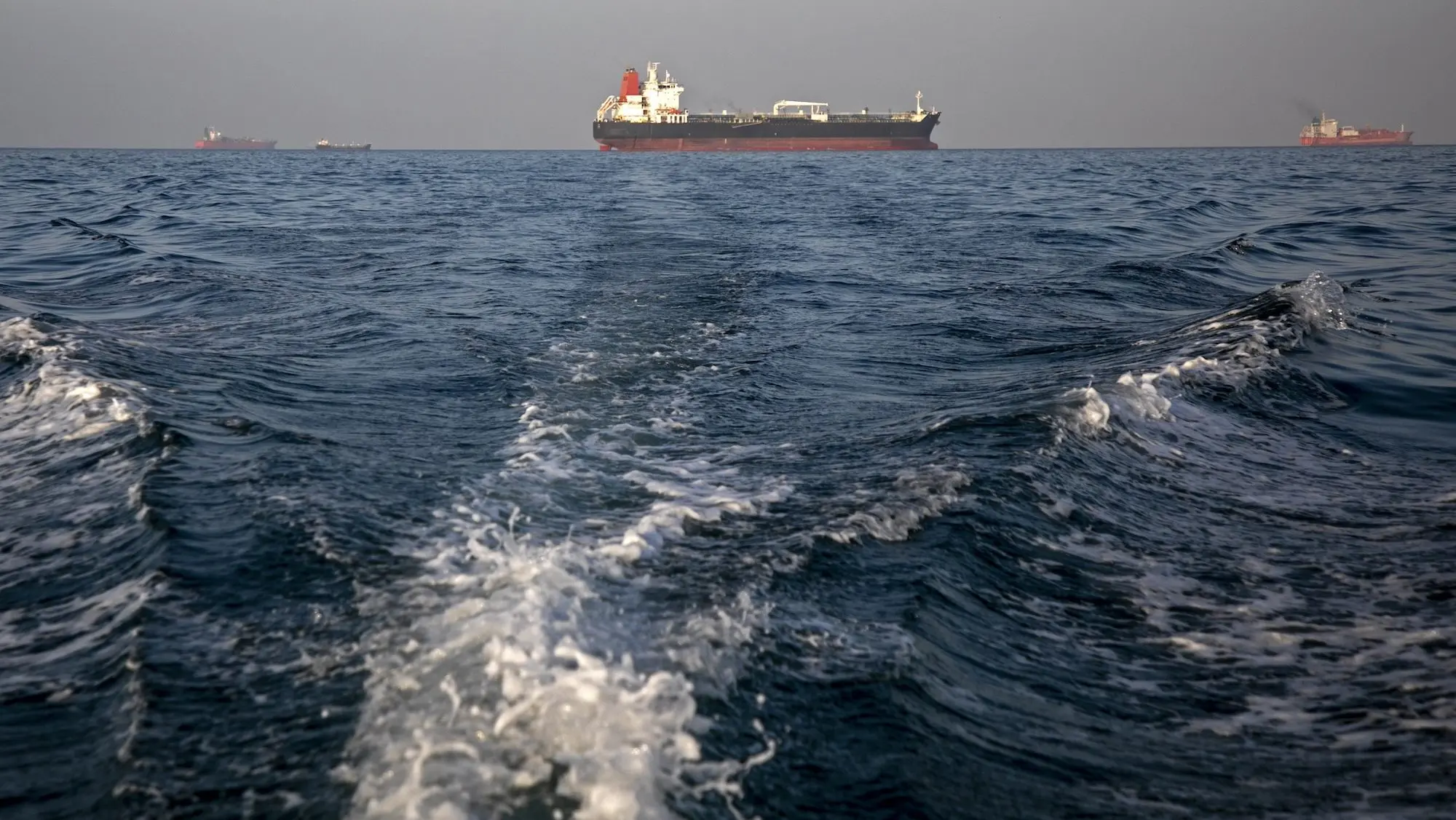
Global oil markets have absorbed escalating tensions in the Iran-Israel conflict without triggering the supply shock many feared. The Strait of Hormuz, through which roughly one-third of seaborne traded crude passes, remains open despite military strikes and regional instability.
Oil prices have risen modestly rather than spiking. Brent crude hovered around $80 per barrel in recent weeks, far below the $120-plus levels seen during previous Middle East crises. Three factors explain the resilience. First, global oil inventories sit at comfortable levels, allowing buyers to draw down reserves rather than compete frantically for new supplies. Second, the Organization of the Petroleum Exporting Countries has signaled willingness to boost production if disruptions occur. Third, demand remains tepid as economic growth slows in key markets like China and Europe.
But energy analysts warn this buffer is finite. The International Energy Agency and several petroleum economists note that a direct strike on Iranian oil infrastructure or extended blockade of the Strait would eliminate this cushion quickly. Iran currently exports roughly 1.5 million barrels daily, equivalent to approximately 1.5 percent of global supply. A sustained loss of that volume plus disruption to tanker traffic could drive prices above $100 per barrel within days.
Refineries in Asia and Europe depend on consistent Middle East crude flows. Any interruption forces them to seek replacement barrels from distant suppliers like West Africa or the North Sea, adding transportation costs and logistical delays.
Geopolitical risk remains embedded in prices but has not yet materialized into acute shortage. The stability reflects temporary conditions rather than structural solutions. Energy security officials across the U.S., Europe, and Asia recognize that prolonged conflict could quickly erase current advantages. Strategic petroleum reserves provide limited cushioning. The outcome depends on whether tensions escalate further or cool in coming months.