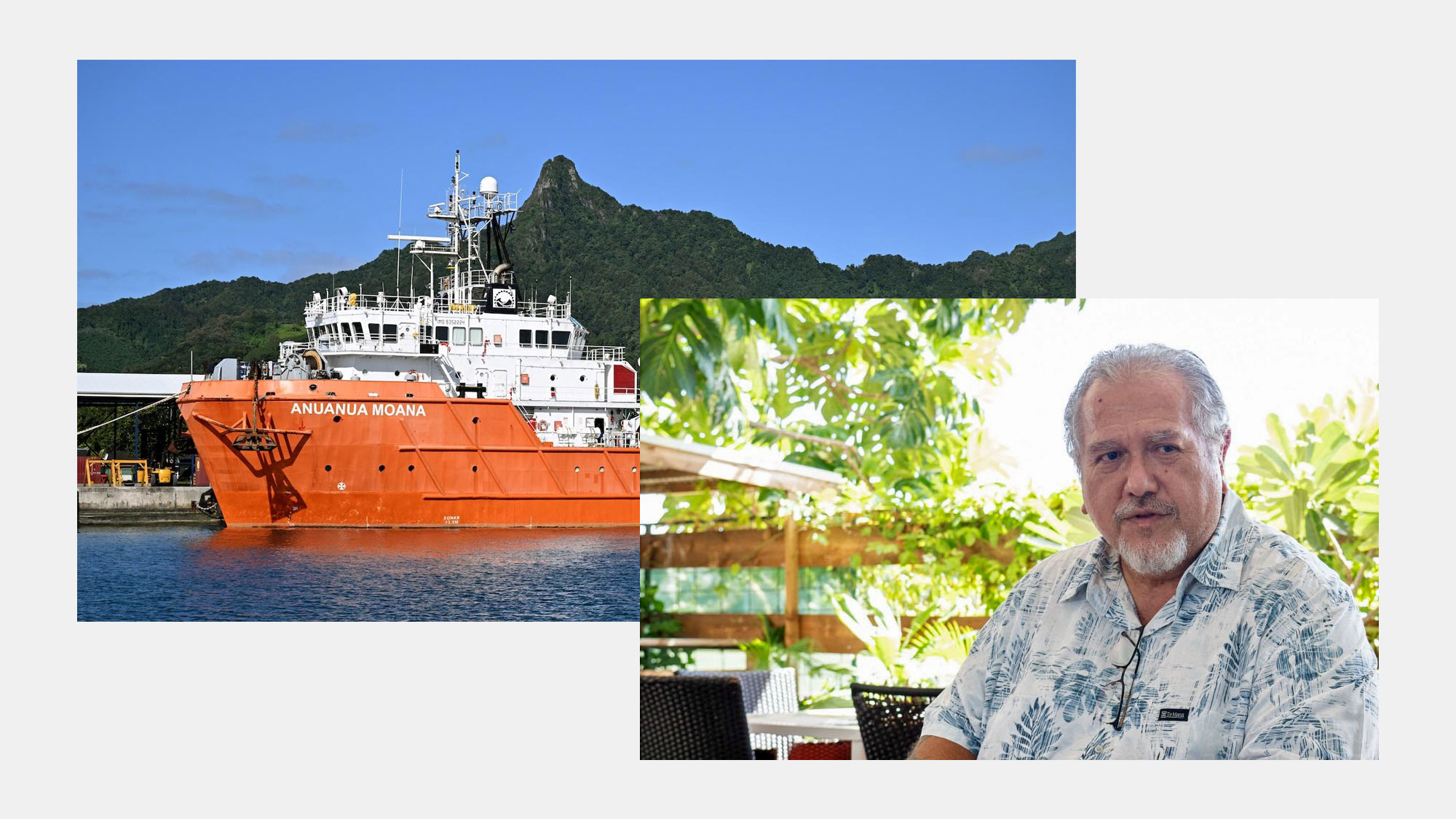
A Bay Area startup's seabed mining exploration plan near French Polynesia's marine preserve has drawn objections from local authorities who claim they received no meaningful consultation. French Polynesia officials stated they were "approached, but not consulted" about the project, highlighting a governance gap in deep-sea resource extraction decisions.
The complaint underscores tensions over who holds authority over seabed mining in international and territorial waters. French Polynesia maintains jurisdiction over its exclusive economic zone and marine protected areas, yet private companies and their sponsors can often move forward with minimal input from affected communities. The startup has not publicly detailed the scope of mining operations or environmental impact assessments.
Seabed mining targets polymetallic nodules and other mineral deposits on the ocean floor to supply metals like cobalt, nickel, and manganese for battery production and renewable energy technology. Industry advocates argue extraction meets growing demand for these metals without terrestrial mining's footprint. Environmental groups counter that deep-sea mining risks destroying fragile ecosystems, disrupting carbon cycling, and generating sediment plumes that harm marine life across vast distances.
French Polynesia's marine preserve protects coral reefs and fish stocks that sustain local economies dependent on tourism and fishing. Disturbance to these waters could damage both biodiversity and economic livelihoods. The territory's pushback reflects broader Pacific Island resistance to extractive industries that prioritize external commercial interests over local environmental stewardship.
This dispute occurs as the International Seabed Authority, the UN body governing mining in international waters, negotiates rules for deep-sea extraction. Developing standards remains contentious, with some nations advocating for immediate mining expansion and others demanding stricter environmental safeguards before activities commence. French Polynesia's objection signals that even preliminary exploration requires genuine stakeholder engagement, not token outreach.