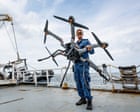
The Royal Netherlands Navy is deploying uncrewed vessels and AI systems to reshape maritime defense operations. Two autonomous surface vessels, Defender 1 and Defender 2, operated by computer control rather than onboard crews, conducted a five-week trial off Den Helder in northern Netherlands waters.
Captain Sjoerd Feenstra, head of the expertise centre for unmanned systems, leads the initiative to test autonomous capabilities at scale. The Dutch navy frames the shift toward robotic systems as a strategy to remove personnel from high-risk environments while maintaining surveillance and operational capacity.
The trial represents a broader military modernization trend across NATO allies, where uncrewed systems reduce crew exposure during dangerous patrols and surveillance missions. The autonomous vessels function as "eyes and ears" for traditional naval operations, monitored and directed through algorithmic systems rather than requiring human operators present on the vessels themselves.
Environmental journalism intersects with military technology here through the lens of operational efficiency and resource allocation. Uncrewed systems can reduce fuel consumption per mission compared to traditional crewed vessels carrying full crews. However, the broader implications for maritime ecosystems remain underexplored in available coverage. Autonomous naval operations require advanced sensor arrays and communication infrastructure that generate electromagnetic emissions and potential underwater noise pollution.
The Netherlands' leadership in unmanned maritime systems reflects European defense priorities amid geopolitical tensions. This technological shift transfers operational decision-making to algorithmic systems, raising questions about autonomous weapons deployment and the regulatory frameworks governing AI-controlled military assets in international waters.
The five-week mission tested system reliability under operational conditions. Success in these trials positions the Dutch navy to scale autonomous capabilities across its fleet, influencing naval doctrines across allied nations. The long-term environmental footprint of expanded unmanned naval operations depends on power source design, maintenance protocols, and the total fleet composition as manned vessels phase out.