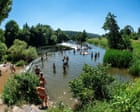
Right to Roam campaigners released access data showing that 75% of England's riverbanks remain closed to the public. The restriction spans major river catchments from Cornwall through northern England, preventing access to both bankside paths and the water itself across most of the country's river network.
The campaign group presented these figures as heatwaves intensify across the UK, arguing that public water access becomes increasingly vital during extreme heat events. Campaigners are pushing the government to establish a legal right of access to rivers and their banks, similar to existing rights in Scotland and parts of other European countries.
Current English law creates a patchwork of access. While some landowners grant informal permission, most riverbanks remain private property controlled by farmers, estates, and industrial operations. This creates a de facto exclusion zone for swimmers, walkers, and those seeking relief during temperature spikes.
The data emerges as climate projections show England facing more frequent and intense heatwaves. Public health officials have flagged increasing heat-related deaths, particularly among older populations. Water access advocates argue that riverbanks offer critical cooling zones and recreational respite during these events, making the current restrictions a public health concern alongside an equity issue.
Scotland reformed its access laws in 2003, establishing a statutory right to responsible access to most land and water. Parts of continental Europe have similar frameworks. The Right to Roam campaign has used this precedent to argue England should follow suit, particularly as environmental stress increases.
Defra and the Environment Agency have not yet committed to legislative change. Water companies, agricultural interests, and private landowners have traditionally resisted expanded access, citing concerns about maintenance costs, liability, and land management. However, environmental groups counter that managed public access generates fewer conflicts than unregulated trespassing and creates constituencies invested in river health.
The timing coincides with broader debates over rewilding, river