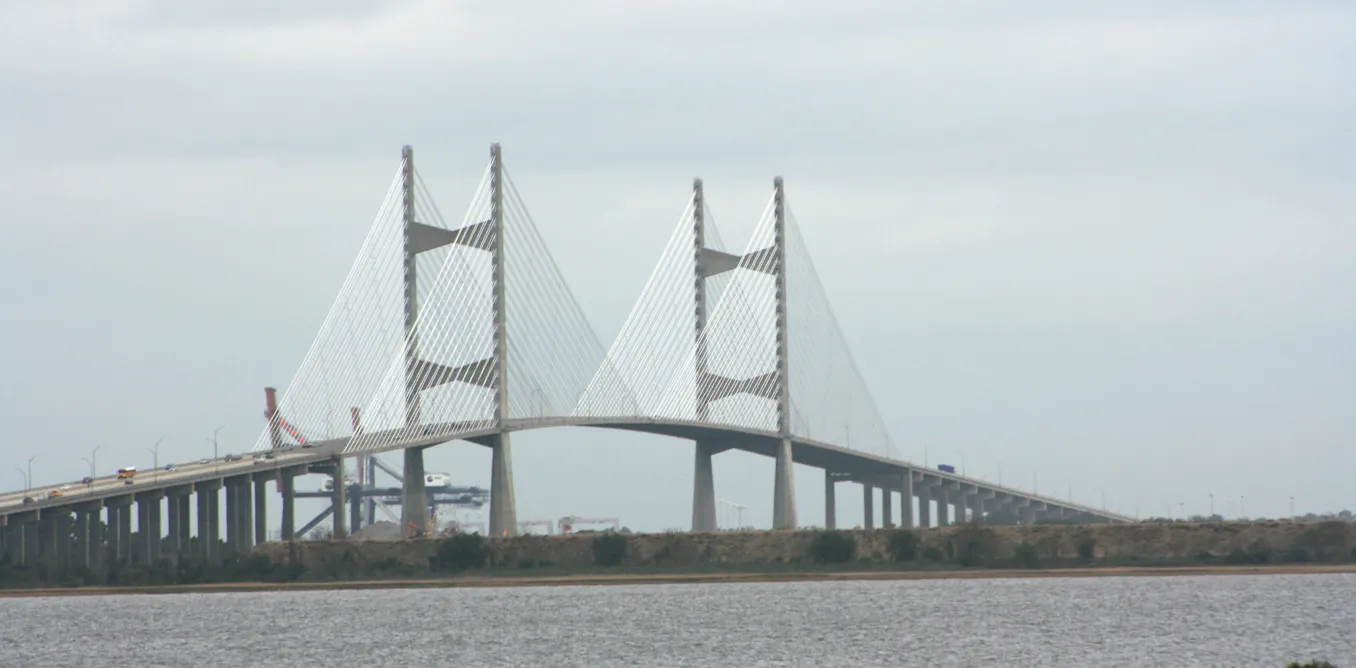
Quantum sensors offer engineers a tool to detect infrastructure damage that traditional visual inspections overlook. Over 42,000 U.S. bridges carry a "structurally deficient" rating, according to the American Society of Civil Engineers. These quantum devices can identify corrosion, cracks, scour and weak magnetic signals that human inspectors cannot easily spot.
The technology works by measuring minute changes in magnetic fields and stress patterns within bridge materials. Where conventional sensors require batteries and regular maintenance, quantum sensors operate with greater precision over longer periods. They identify subsurface damage before it becomes visible to the naked eye, allowing for preventive repairs rather than emergency interventions.
Quantum sensors do not replace bridge inspectors. Instead, they augment human expertise. Engineers combine sensor data with on-site assessment to build a comprehensive picture of structural health. This hybrid approach catches deterioration early, reducing the risk of catastrophic failure and extending bridge lifespan.
The U.S. Department of Transportation estimates that deferred maintenance on bridges costs the economy $12.6 billion annually. Implementing quantum sensor technology could reduce inspection time and improve accuracy. States like Pennsylvania and New York have begun pilot programs testing these sensors on aging infrastructure.
The challenge lies in deployment at scale. Quantum sensors require trained technicians to operate and interpret results. Cost remains high, though prices are declining as the technology matures. Federal transportation officials are working with technology developers to standardize protocols and training programs.
Bridge failures pose immediate public safety risks. The 2013 Interstate 5 bridge collapse in Washington State killed three people. Aging infrastructure across the nation mirrors these vulnerabilities. Quantum sensors address a critical gap in maintenance, offering engineers real-time data on structural integrity. As transportation budgets remain strained, this technology represents a practical investment in preventing future incidents.