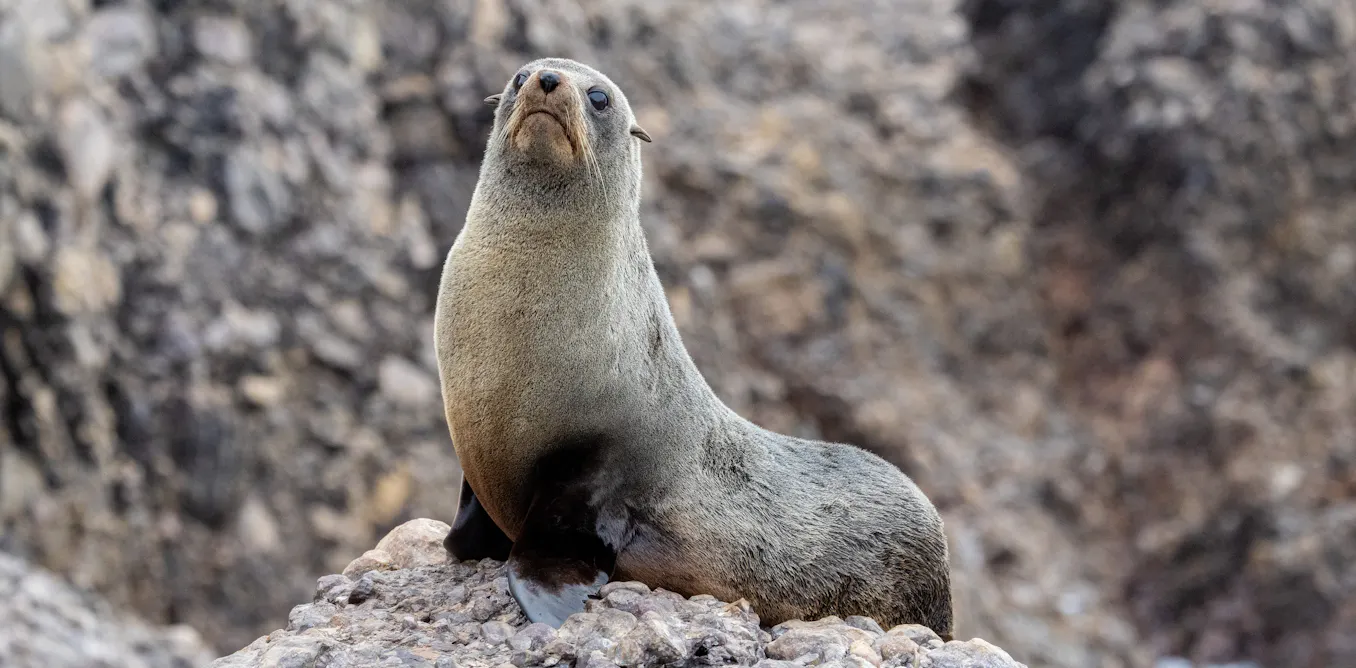
Extreme weather events are decimating populations of seal pups and seabird chicks across the globe, forcing marine biologists to confront new conservation challenges tied to climate variability.
Recent die-offs illustrate the scope of the crisis. Seal pups in the North Atlantic and Caspian Sea have experienced mass mortality during unseasonably warm winters that disrupt breeding cycles and ice formation. Seabird colonies from the North Pacific to European waters face similar pressures when heatwaves alter food availability and chick-rearing conditions. These young animals, dependent on stable environmental conditions during critical developmental windows, lack the physiological resilience of adults.
The underlying driver is climate change. Rising ocean temperatures shift prey distributions, forcing parents to travel farther for food. Reduced sea ice eliminates pupping grounds for seals. Simultaneously, extreme weather swings create unpredictable conditions that outpace species' adaptive capacity. A single brutal storm can wipe out an entire year's breeding cohort.
Marine experts outline protective strategies operating at multiple scales. Local interventions include habitat restoration and predator management to strengthen colony resilience. Regional approaches require strengthening marine protected areas where breeding populations can shelter from escalating storms. National governments must accelerate emission reductions to slow underlying warming rates.
International coordination proves essential. Migratory seabirds cross jurisdictional boundaries, necessitating coordinated fisheries management and pollution controls across nations. The North Atlantic Seal Consortium and similar bodies facilitate data sharing and joint research on population trends.
Rehabilitation centers offer stopgap protection for stranded pups and chicks, though this addresses symptoms rather than root causes. Scientists emphasize that scaling up breeding programs for endangered species may become necessary if wild populations collapse.
The timeline matters. Seal pups born today face an ocean fundamentally altered from their parents' breeding environment. Without aggressive climate