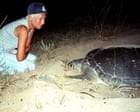
Mona Khalil, the 76-year-old Lebanese marine conservationist who operated the Orange House Project turtle sanctuary for decades, died from injuries sustained in an Israeli strike in south Lebanon. Khalil had spent her life protecting a mile-long nesting beach near Tyre on the Mediterranean coast, where endangered sea turtles come ashore to breed.
The Orange House Project functioned as both a research and education hub. Khalil hosted international volunteers who monitored turtle nesting patterns and cleaned the beach of debris and pollution. She also welcomed tourists to stay at her home, turning conservation work into a community effort that gained her status as a beloved environmental figure across Lebanon.
Khalil's death represents a loss to marine conservation in the eastern Mediterranean. Sea turtles nesting along the Lebanese coast face multiple threats. Coastal development, pollution, fishing nets, and light pollution from human settlements disorient hatchlings attempting to reach the ocean. Climate change alters water temperatures and food availability, disrupting breeding cycles that have remained relatively stable for millions of years. Protected beaches like the one Khalil maintained serve as critical refugia for these populations.
The Orange House Project operated without significant government funding or institutional backing. Khalil's personal commitment and volunteer network sustained the sanctuary's monitoring work. Her death removes a key figure in Lebanese environmental advocacy at a moment when regional instability threatens conservation infrastructure across the eastern Mediterranean.
Sea turtle populations in the Mediterranean include the loggerhead turtle and green turtle, both listed as vulnerable or endangered by conservation organizations. Nesting sites in Lebanon rank among the most productive in the region. The loss of experienced conservationists like Khalil creates gaps in long-term population monitoring and habitat protection efforts that take years to rebuild.