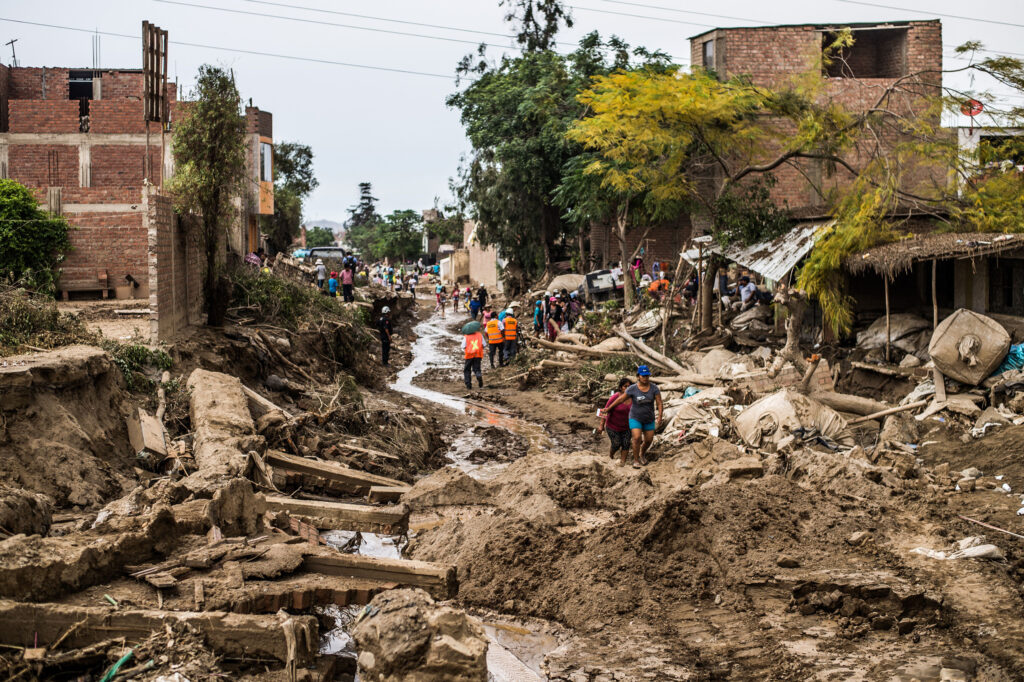
The World Meteorological Organization confirmed El Niño conditions have arrived, bringing disruption to global weather patterns and intensifying heat extremes across multiple continents. Ocean temperatures in the tropical Pacific have reached unusually warm levels, the hallmark signature of El Niño onset.
Climate scientist Kevin Trenberth, quoted in the piece, warned of "big consequences" for weather systems worldwide. El Niño events occur irregularly every few years when tropical Pacific waters warm beyond normal thresholds, fundamentally altering atmospheric circulation patterns that ripple across the globe.
The phenomenon drives predictable but severe impacts. Rainfall patterns shift dramatically, creating drought conditions in some regions while flooding others. Global average temperatures spike during El Niño years, often pushing annual records higher. The current event compounds existing warming from greenhouse gas emissions, raising concerns about combined heat stress on agriculture, water supplies, and public health systems.
Historical El Niño episodes have demonstrated measurable consequences. The 2015-2016 event contributed to global temperature records and triggered widespread crop failures across Southeast Asia and southern Africa. Fisheries in the Eastern Pacific collapsed as warm water disrupted nutrient-rich upwelling systems that support commercial species.
Trenberth's research emphasizes that El Niño does not operate in isolation from climate change. Warmer baseline ocean temperatures mean each El Niño event begins from a hotter starting point than previous cycles, amplifying extremes. Sea level rise interacts with rainfall changes to increase coastal flood risk in vulnerable nations.
Meteorological agencies have shifted focus toward predictive adaptation. Governments in agriculture-dependent regions are implementing early warning systems to prepare for anticipated dry spells. Water utilities are adjusting reservoir management. The agricultural sector faces particular pressure to shift planting schedules and crop selections based on forecast precipitation changes.
Scientists stress that distinguishing El Niño's natural variability from