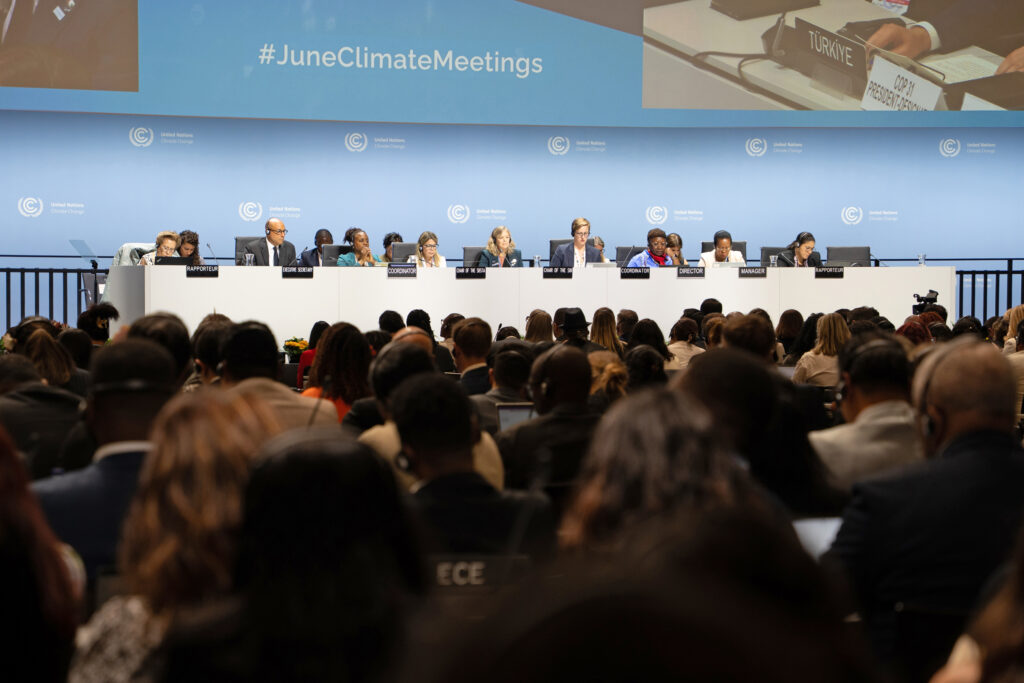
The United States absence from high-level climate negotiations in Bonn, Germany left a vacuum that shaped the talks nonetheless. No federal delegation attended, yet current administration policies on Iran and energy markets rippled through discussions, generating both apprehension and cautious optimism among participating nations.
Negotiators gathered to advance commitments under the Paris Agreement framework. The talks proceeded without direct U.S. federal involvement, a departure that reflects broader geopolitical tensions. U.S. actions targeting Iran rattled energy markets globally, introducing uncertainty into climate policy discussions tied to fossil fuel transitions and carbon pricing mechanisms.
The absence prompted criticism that negotiators engaged in "sidestepping and stalling." Sources indicate delegations avoided confronting core disagreements on emission reduction targets, financial commitments to developing nations, and carbon market mechanisms. The diplomatic standoff frustrated those seeking concrete progress on Article 6 of the Paris Agreement, which governs international carbon trading frameworks essential for cost-effective emissions reductions.
Some observers noted the U.S. non-participation created space for other major emitters to reshape negotiating positions. The European Union and other developed nations faced less direct pressure on their proposed climate finance contributions and sectoral decarbonization timelines. Simultaneously, fossil fuel-dependent economies like Saudi Arabia used reduced U.S. diplomatic presence to resist language linking climate action to renewable energy investment requirements.
Developing nations expressed concern that stalled negotiations delayed establishment of loss-and-damage funding mechanisms, which would channel resources to climate-vulnerable countries already experiencing severe impacts. Without U.S. federal involvement, negotiators postponed decisions affecting climate resilience investments in Africa, Southeast Asia, and small island states.
The talks conclude without final agreements on key mechanisms needed to operationalize Paris commitments by 2025. Observers view the lack of U.S. federal participation as both obstacle and opportunity. Some hope the delegation's return at