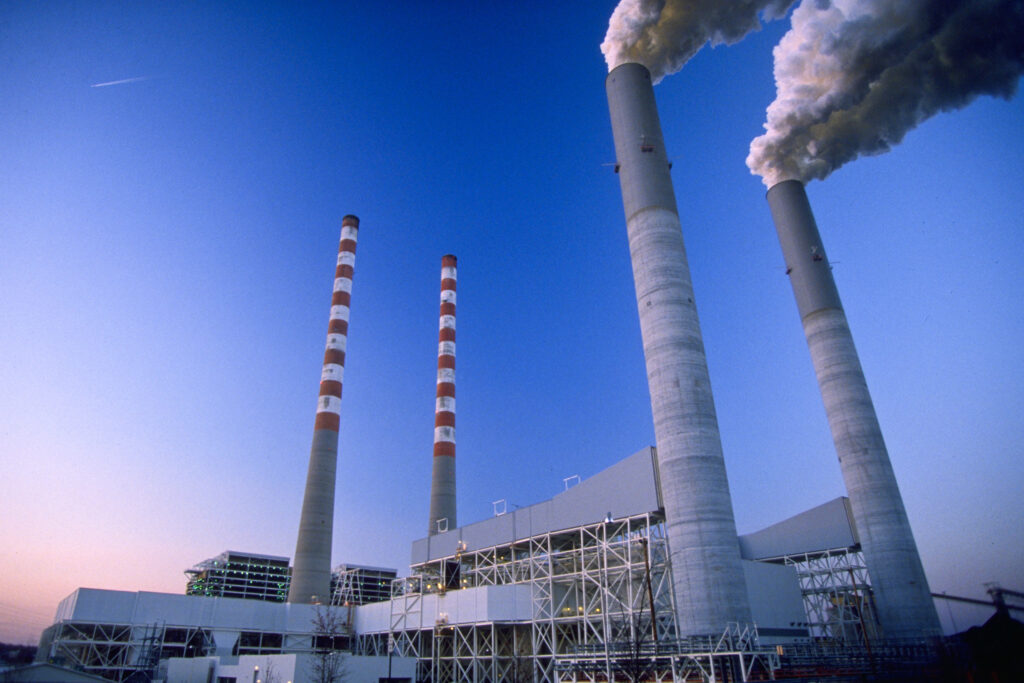
The Trump administration's recent support for coal infrastructure has reversed closures at polluting plants across the country. The Cumberland Fossil Plant in Tennessee exemplifies this pattern. The facility faced shutdown after 2023 due to decades of violations, equipment failures, and health impacts stemming from inadequate pollution controls.
The Tennessee Valley Authority, which operates Cumberland, had settled a multibillion-dollar case in 2011 for failing to install required pollution control technology. Despite that agreement, the plant continued operating with repeated regulatory violations. Its pending closure reflected broader utility sector trends toward retiring aging coal facilities in favor of renewable energy and natural gas.
The Trump administration reversed this trajectory by directing federal investment toward coal plant retention and modernization. This reversal conflicts with emissions reduction targets the Biden administration had pursued. Coal plants nationwide have received renewed operational licenses and infrastructure funding under the new policy direction.
Cumberland's story illustrates the conflict between environmental regulation and industry support. The facility sits in a region where coal employment historically dominated economic activity, creating political pressure to maintain operations. However, the plant's documented pollution record and the costs of compliance upgrades present a counterargument to continued investment.
The broader implications extend beyond Tennessee. Multiple coal-fired power plants with violation histories have received similar lifelines. This approach increases greenhouse gas emissions during a period when climate science shows accelerating atmospheric carbon concentration. The U.S. Energy Information Administration reported that coal generation declined 28 percent from 2005 to 2023, a trend these policies now actively work against.
Environmental groups have challenged the administration's coal support as inconsistent with Clean Air Act enforcement and the nation's climate commitments. The Cumberland plant specifically remains subject to pollution limits established in the 2011 settlement, creating regulatory tension between operational directives and existing compliance orders.
The economics also shift with extended coal operations. Renewable energy costs have dropped 90 percent since 2010, making