Louisiana's legislature fast-tracked a bill supporting the wood-pellet industry despite lawmakers' admitted lack of familiarity with the sector. The measure passed with minimal scrutiny, even as the industry faces ongoing pollution violations.
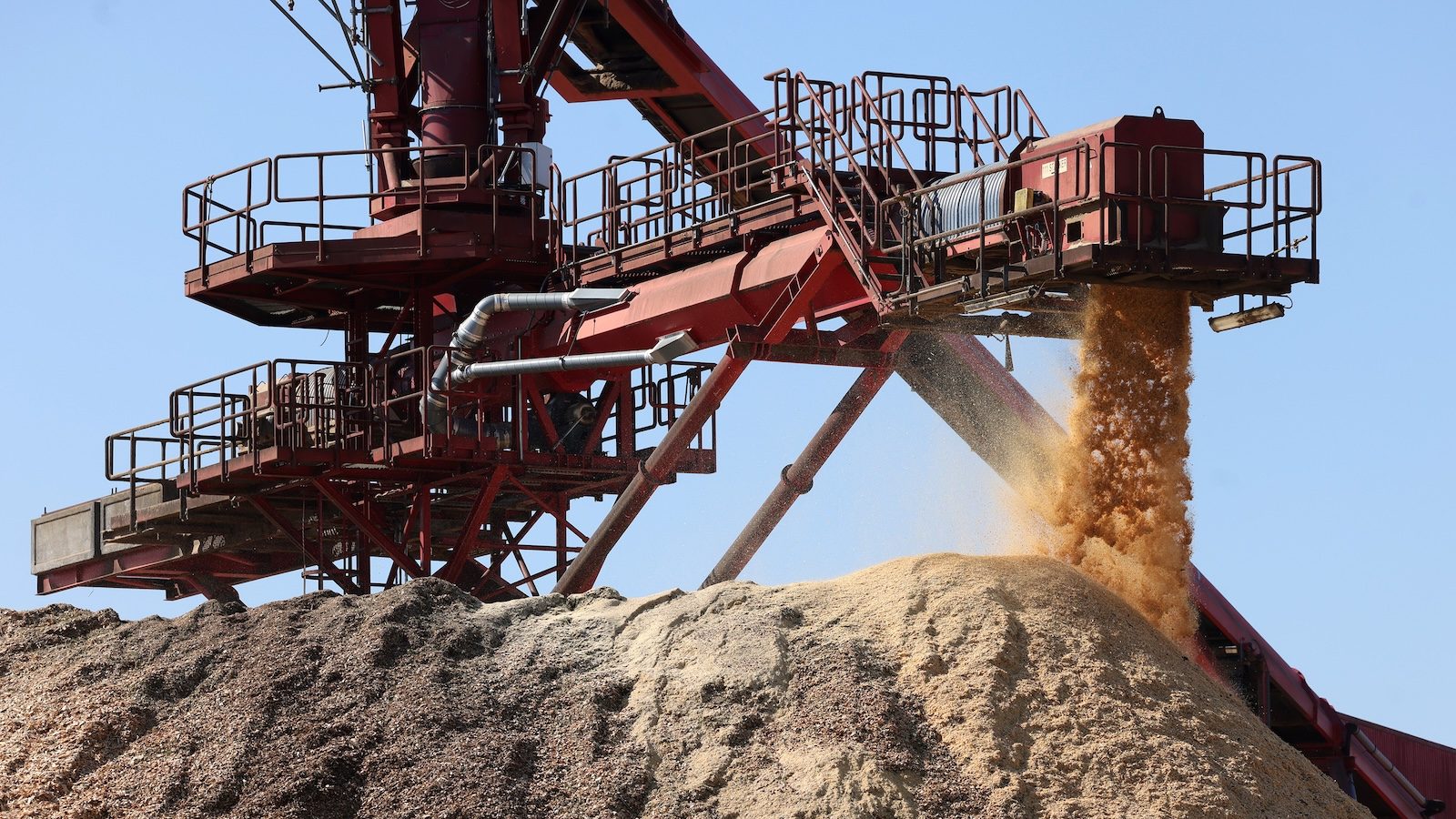
Wood-pellet manufacturers convert sawmill waste into fuel for power generation and heating, primarily for export to Europe. Louisiana hosts multiple facilities, with Drax Biomass operating the largest pellet plant in the nation near Amite. The state produces roughly one-third of global wood-pellet exports.
The legislation faced criticism from environmental groups tracking air quality and emissions compliance. Wood-pellet plants generate particulate matter and volatile organic compounds during production. Louisiana's Department of Environmental Quality has documented violations at production facilities, yet enforcement remains inconsistent.
One legislator acknowledged the gap in understanding. "We do not know a lot about this industry," the lawmaker stated during floor debate, yet backed the bill anyway. No comprehensive study of cumulative environmental impacts preceded the vote.
The wood-pellet sector claims job creation and utilization of timber byproducts as environmental benefits. However, scientists dispute the carbon neutrality argument that the industry relies on. Burning biomass releases equivalent carbon dioxide as fossil fuels, though proponents argue trees regrow to absorb emissions. The European Union has begun reassessing biomass subsidies based on this concern.
Louisiana's move aligns with the state's broader reliance on extractive industries. The bill's rapid passage reflects political pressure from manufacturers and limited legislative capacity for technical review of specialized industries.
Environmental advocates warn the decision locks Louisiana into supporting an industry without understanding its full pollution profile or climate impact. The move underscores how industrial policy sometimes proceeds on momentum rather than evidence, with affected communities bearing the air quality consequences.