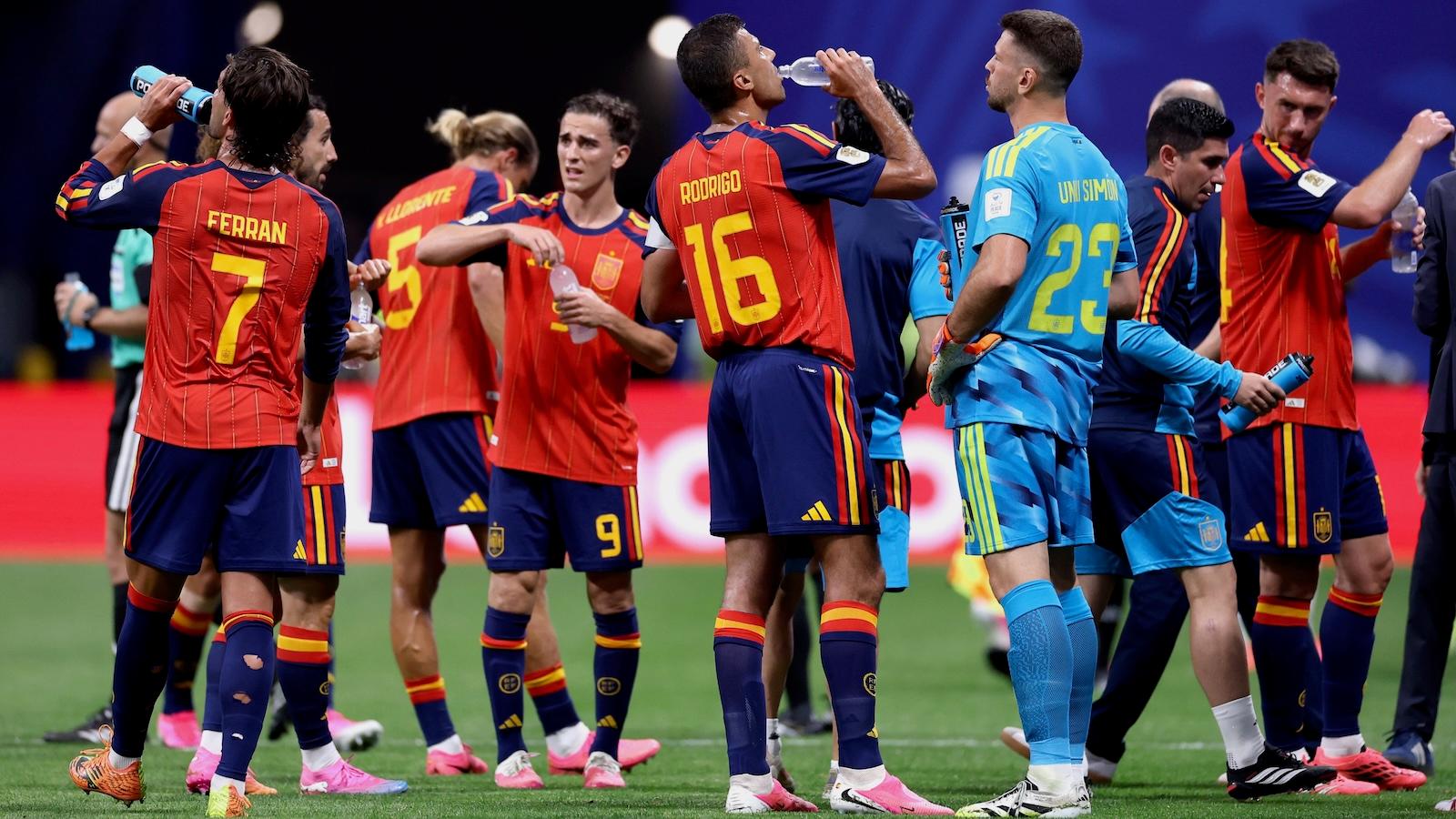
FIFA implemented mandatory hydration breaks during World Cup matches to protect players from heat stress, but the policy has sparked controversy over its actual climate impact and fairness in competition.
The governing body introduced cooling breaks at the 2022 Qatar World Cup, citing player safety in extreme temperatures. Teams stop play every 30 minutes in the second half when conditions exceed 32 degrees Celsius (90 Fahrenheit). While the stated goal addresses heat-related illness risks, critics argue the breaks mask FIFA's broader climate failures rather than solving them.
Environmental analysts point out that hydration breaks do nothing to address the core problem: hosting a winter World Cup in a desert nation with limited water resources. Qatar's water infrastructure relies heavily on desalination plants powered by fossil fuels, and the tournament's construction consumed vast water supplies in a region experiencing severe scarcity.
Players have expressed mixed reactions. Some support the breaks as genuine safety measures; others view them as interruptions that disrupt game flow and strategy. Fans complain the stoppages create artificial pauses that alter match dynamics unpredictably.
The larger issue involves FIFA's deflection strategy. By implementing hydration breaks, the organization appears to address climate concerns while avoiding accountability for tournament site selection and carbon emissions tied to global travel, stadium construction, and operations. The breaks function as a visible gesture toward climate action without tackling systemic problems.
Energy and water experts note that true climate responsibility would require FIFA to evaluate host nation sustainability credentials before awarding tournaments, invest in renewable energy infrastructure, and offset travel emissions. Mandatory breaks address symptoms, not causes.
The "water-gate" controversy reflects a broader tension in professional sports. Organizations face pressure to acknowledge climate risks but often prefer low-cost, superficial measures over transformative policy changes. For FIFA, hydration breaks offer plausible deniability on climate leadership while the organization continues practices that burden host nations and