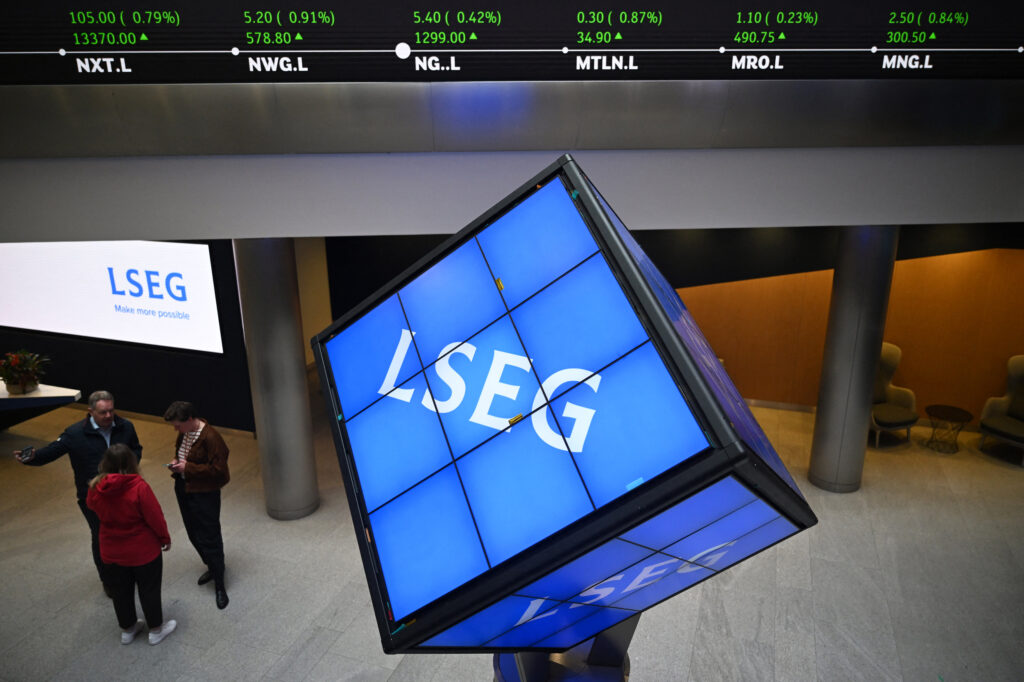
The global green economy reached a $10 trillion market valuation, driven by a 5.3 percent surge in environmental business revenue over the past year, according to research from the London Stock Exchange Group released Wednesday.
The milestone reflects accelerating investment across sectors that address climate change and environmental degradation. Companies generating substantial revenue from renewable energy, energy efficiency, sustainable agriculture, waste management, and clean water technologies comprise this growing economic segment.
The London Stock Exchange Group's analysis identifies this market expansion as both a financial trend and a measure of economic transition. The 5.3 percent annual growth rate outpaces traditional economic sectors in many developed nations, signaling investor confidence in environmental solutions as long-term business opportunities rather than niche investments.
The $10 trillion figure encompasses publicly traded companies where environmental revenue streams represent a material portion of earnings. This includes established corporations like Siemens and Vestas that manufacture wind turbines, chemical companies pivoting to sustainable production, and emerging firms focused entirely on clean technology.
The valuation growth coincides with rising corporate commitments to net-zero emissions targets and intensifying regulatory pressure on carbon-intensive industries. Institutional investors increasingly screen portfolios for environmental, social, and governance metrics, directing capital toward companies with credible sustainability strategies.
However, the market valuation does not indicate uniform progress across all environmental sectors. Renewable energy dominance in many national grids masks persistent underinvestment in climate adaptation, ecosystem restoration, and emerging technologies like green hydrogen. Geographic disparities persist, with developed economies capturing disproportionate share of green investment capital.
The London Stock Exchange Group's report signals that markets recognize environmental solutions as economically viable. The scale required to meet global climate targets, however, remains vastly larger. Annual global climate finance needs exceed $1 trillion annually through 2030 according to United Nations estimates, while current flows fall substantially short.
The $