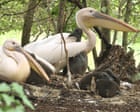
Pelicans have bred in St James's Park for the first time in over 360 years, marking a remarkable recovery for a population that arrived as a royal gift in 1664.
The Russian ambassador presented two pelicans to King Charles II that year, establishing what became a permanent fixture of London's most famous park. Despite centuries of residence, the birds never reproduced until now. The successful hatching represents the first breeding event since the flock's arrival shortly before the Great Fire of London.
The breeding success reflects improved conditions in the park's lake ecosystem. Pelicans require stable food sources, clean water, and undisturbed nesting areas to successfully raise chicks. St James's Park has invested in habitat management and water quality improvements over recent decades, creating conditions suitable for breeding behavior.
The park's pelican population draws thousands of visitors annually and has become a cultural landmark in central London. Zoo and wildlife officials have monitored the birds closely, ensuring their welfare while allowing natural breeding cycles to develop. The hatching demonstrates that urban waterways can support breeding populations when properly managed.
This breeding event carries ecological weight beyond symbolism. Pelicans serve as indicator species for aquatic ecosystem health. Their successful reproduction suggests improved water quality and adequate fish stocks in the park's lake. The chicks' survival will depend on continued food availability and protection from disturbance during the critical fledgling period.
St James's Park maintains careful records of its pelican population dating back centuries. Park staff have documented the birds' behavior patterns, diet, and interactions with the urban environment. This data has proven valuable for understanding how captive and semi-wild bird populations adapt to city landscapes.
The breeding success offers lessons for urban wildlife management. Long-term commitment to habitat improvement, combined with minimal intervention in natural behaviors, can yield unexpected conservation wins. The pelicans' ability to finally breed in London demonstrates that even