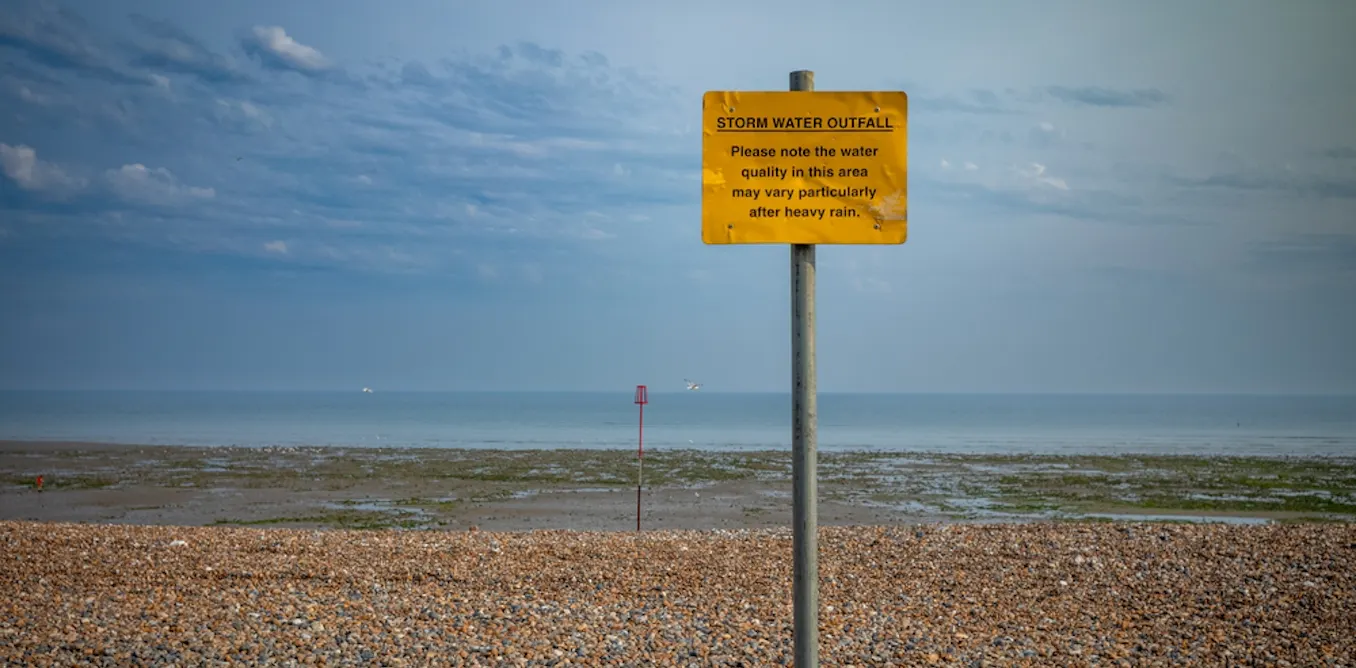
England's rivers and coastlines face a sewage crisis that official monitoring cannot keep pace with. Citizens are stepping in with their own water testing programs after sewage treatment works released untreated wastewater into waterways over 371,000 times in 2023 alone.
The Environment Agency, the government body responsible for water quality oversight, lacks sufficient resources to test every location where spills occur. Citizen science initiatives now fill this gap. Groups across England collect water samples and test for pathogens, nutrients, and chemical contamination that signal sewage discharge. These grassroots efforts create data accountability where institutional monitoring falls short.
England's water companies operate under combined sewer systems that mix household sewage with stormwater. During heavy rainfall, these systems overflow directly into rivers and beaches rather than treatment facilities. In 2023, water companies discharged untreated sewage for approximately 3.6 million hours, affecting every major river system.
Citizen scientists employ standardized testing kits to detect E. coli, enterococci bacteria, and excess nitrogen and phosphorus that indicate sewage contamination. The data feeds into open databases that hold water companies and regulators accountable. Local groups like Riverbend Monitoring Collective and Clean Water UK train volunteers to collect samples using consistent protocols, ensuring reliability comparable to official tests.
Water companies have faced growing public pressure and fines for spill records. Anglian Water, Thames Water, and Southern Water collectively paid millions in penalties. Yet enforcement remains reactive rather than preventive. The shift toward citizen monitoring reflects public distrust in official assurances that bathing waters are safe.
The practice raises questions about responsibility. Water companies argue spills follow legal protocols during extreme weather. Environmental campaigners counter that aging infrastructure and underinvestment allow preventable contamination. Meanwhile, citizen scientists document what regulators miss: localized pollution events that affect