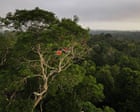
The language of ecosystem "breakdown" pervades climate science, but this framing misrepresents how natural systems actually function. A 2021 Nature study documented that the Amazon rainforest now emits more carbon than it absorbs, reversing its historical role as a carbon sink. Tropical coral reefs face documented decline, with cascading threats to fish populations that support millions of people. Yet describing these shifts as "malfunction" imports the logic of mechanical systems into biology.
Machines malfunction when they deviate from design specifications. Forests, coral reefs, and other ecosystems operate without predetermined endpoints. They adapt, shift, reorganize. The Amazon's transition from carbon sink to carbon source reflects ecological stress under anthropogenic warming, but the forest continues functioning as a system. It survives. It produces biomass. Organisms interact within it. The system hasn't broken in the mechanical sense.
This distinction matters because it shapes policy responses. Treating ecosystem decline as malfunction implies a return to prior states is possible through repair. That assumption fails. Once a threshold passes, ecosystems often stabilize in new configurations that may bear little resemblance to what preceded them. The coral bleaching events documented across tropical oceans don't represent temporary failures awaiting fixes. They reflect permanent regime shifts driven by sustained warming.
The real peril lies in continued emissions and habitat destruction that accelerate these transitions beyond the capacity of organisms to adapt. The Amazon study shows this clearly. Deforestation fragments the forest, reducing moisture recycling and increasing fire vulnerability. These pressures compound, pushing the system toward a savanna-like state. That outcome would constitute genuine ecological catastrophe not because the forest malfunctions, but because it transitions to a state that cannot sustain its prior biodiversity or carbon storage capacity.
Scientists should retire mechanistic language. Ecosystems don't malfunction. They transform under stress. Some transformations