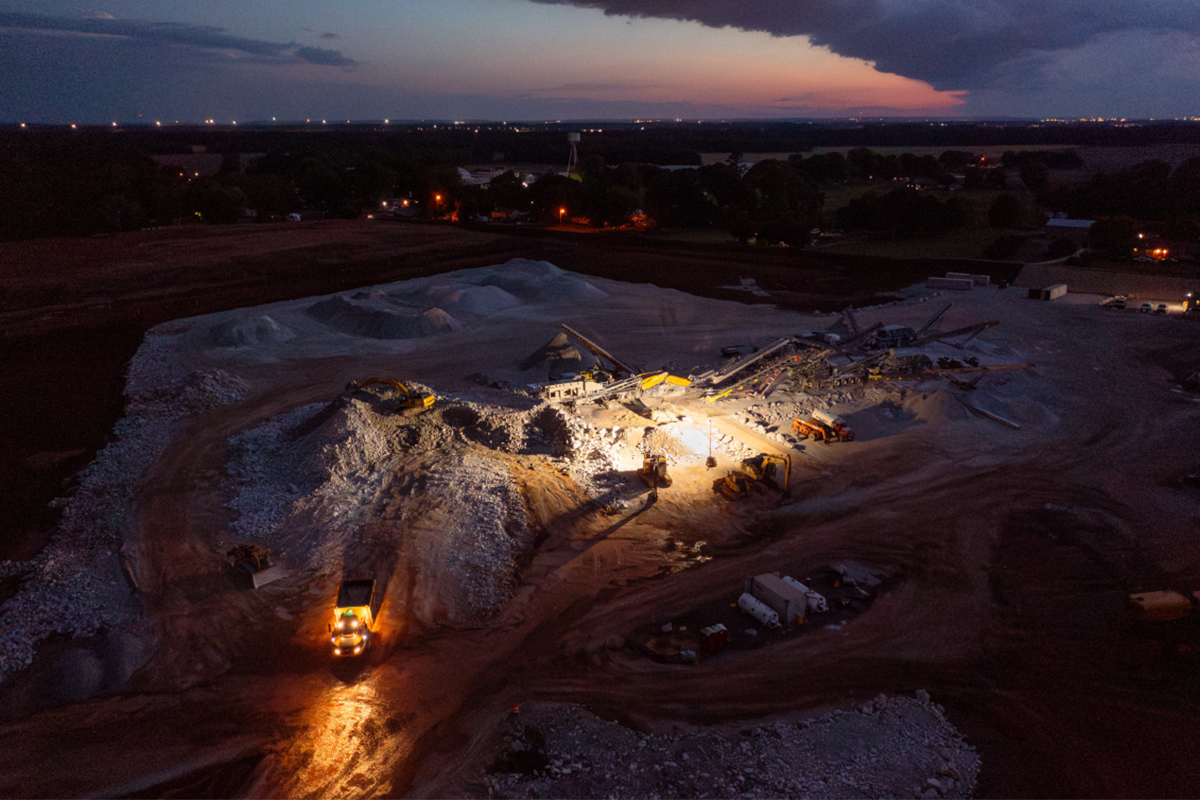
Belle Mina residents and four nearby churches settled a lawsuit against Stoned LLC's limestone quarry after years of complaints about dust and noise pollution affecting homes and places of worship in the north Alabama community.
The settlement resolves claims that quarry operations generated excessive particulate matter and sound levels that interfered with daily life in the small residential area. Limestone quarries produce dust through blasting, crushing, and hauling operations. Fine particulate matter from such facilities can travel significant distances and accumulates on surfaces, degrading air quality and triggering respiratory issues in nearby populations.
Three Belle Mina residents initiated legal action alongside the four churches, establishing a coalition of community stakeholders. The lawsuit challenged the quarry operator's compliance with dust and noise standards applicable to industrial extraction sites. Alabama regulations require quarries to implement dust suppression measures and control noise emissions, particularly near residential areas.
Terms of the settlement remain undisclosed, though such agreements typically include operational modifications, dust mitigation upgrades, or financial compensation. Stoned LLC may implement additional water spray systems, buffer zones, or adjusted blasting schedules to reduce impacts on neighboring properties.
This case reflects broader tensions between industrial extraction and community health. Limestone quarries supply raw materials for construction, cement, and chemical production, industries central to Alabama's economy. However, uncontrolled emissions create documented public health costs. Studies link prolonged exposure to quarry dust with increased rates of respiratory disease, particularly among children and elderly residents.
The settlement provides Belle Mina residents with relief after enduring years of disruption. Communities adjacent to extraction operations nationwide increasingly pursue legal remedies when operators fail to adequately control emissions. This case underscores the necessity of enforcing existing environmental standards and strengthening operational requirements for industrial facilities near populated areas.