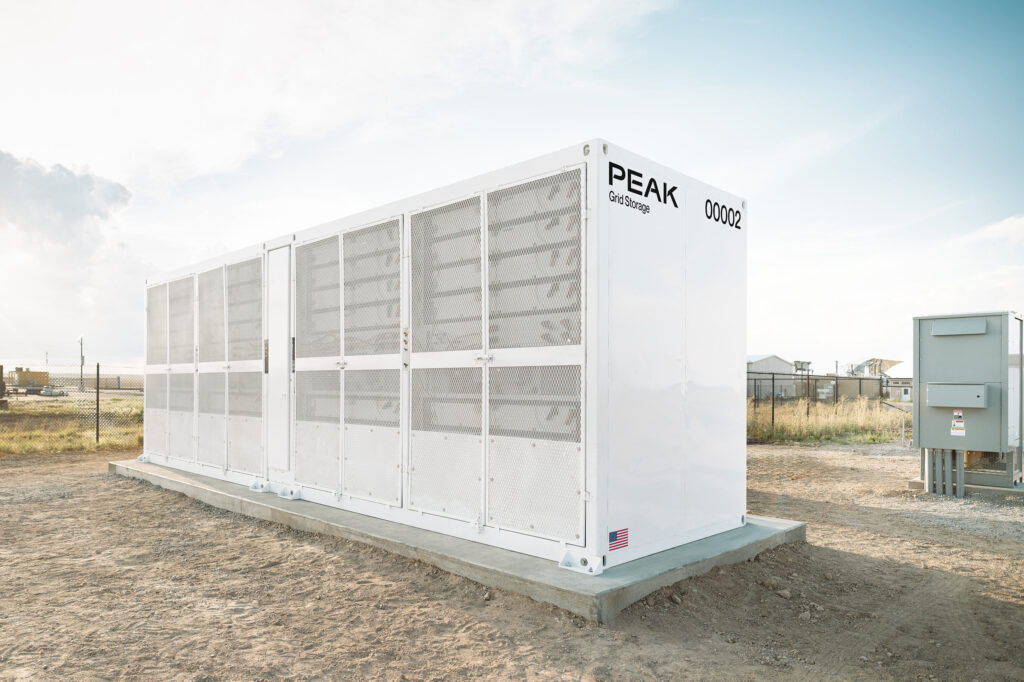
General Motors has partnered with Peak Energy to manufacture sodium-ion batteries for stationary energy storage, signaling GM's push into a battery chemistry that remains dominated by Chinese manufacturers. Peak Energy, founded three years ago, will handle production under this partnership agreement.
Sodium-ion technology offers distinct advantages over lithium-ion systems. Sodium reserves are abundant and geographically distributed across multiple countries, reducing supply chain vulnerabilities tied to lithium mining. Production costs run lower because sodium extraction requires less processing than lithium refinement. The chemistry performs reliably in grid storage applications where weight and volumetric density matter less than in electric vehicles.
GM's move reflects broader industry recognition that lithium-ion cannot remain the sole battery chemistry for energy transition goals. Stationary storage demands differ from transportation. Grid-scale batteries prioritize cycle durability, thermal stability, and cost per kilowatt-hour over energy density. Sodium-ion systems excel in these parameters for utility and industrial applications.
China currently leads global sodium-ion battery production, with companies like CATL and BYD manufacturing most units. By backing Peak Energy, GM aims to establish domestic manufacturing capacity and reduce dependence on imports. This aligns with Biden administration policies encouraging battery production on U.S. soil, including provisions in the Inflation Reduction Act offering tax credits for domestic battery assembly.
The partnership also positions GM to capture growing demand from renewable energy projects. As wind and solar installations expand, stationary battery storage becomes essential for grid reliability and managing variable generation. Sodium-ion systems can store energy at lower cost than lithium alternatives, making them attractive for large-scale projects.
Peak Energy's three-year track record suggests commercial viability, though scaling manufacturing remains challenging. The startup must prove it can produce batteries meeting automotive-grade quality standards while maintaining cost competitiveness against established lithium suppliers.
This partnership illustrates how battery technology diversification