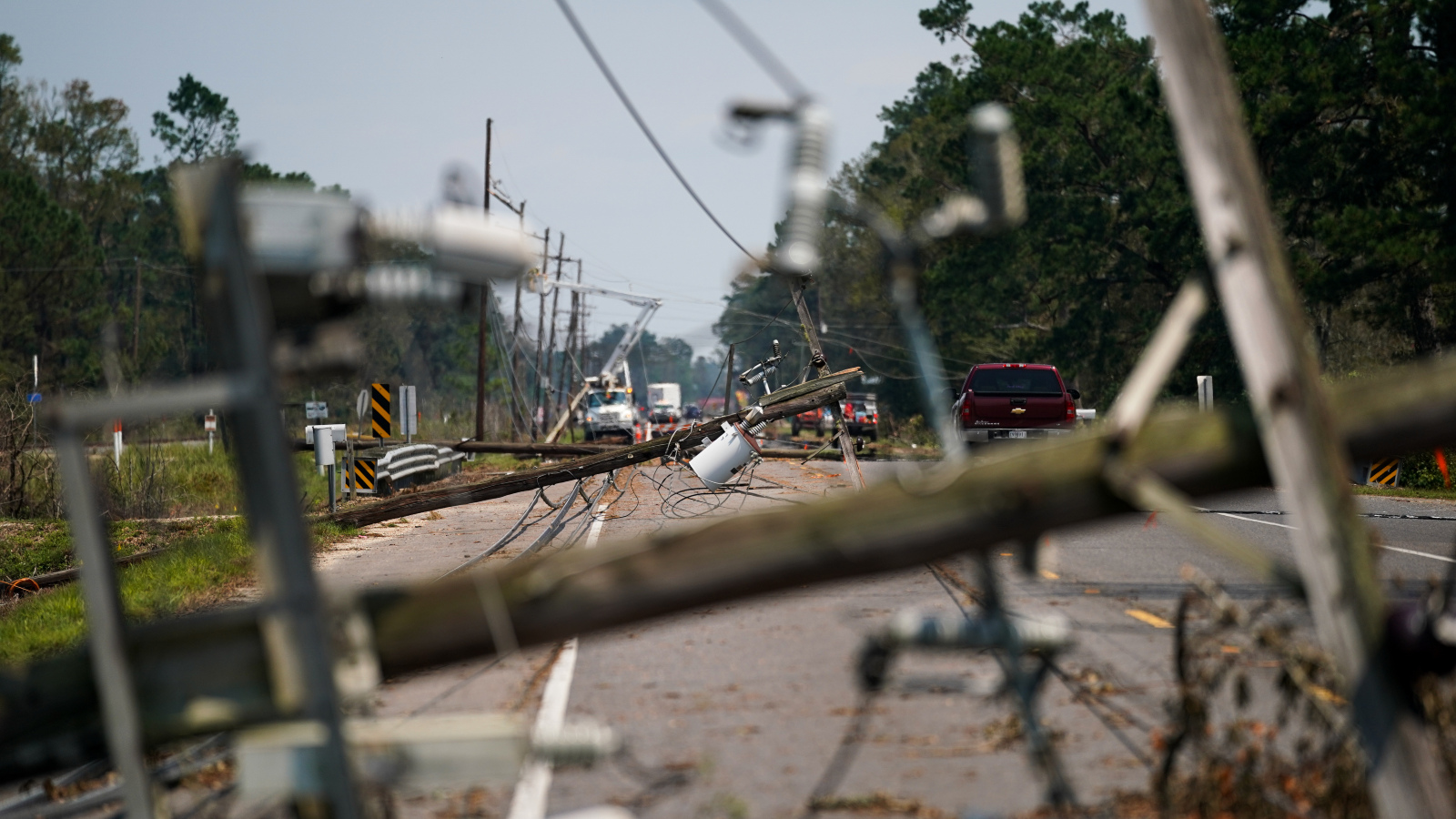
A majority of Democrats and moderate Republicans now attribute rising household costs directly to climate change, according to new polling data. The survey captures growing public recognition that climate impacts translate into tangible financial pressure on American households.
Energy costs represent the most visible climate connection to consumer expenses. Extreme heat waves drive up air conditioning demand, while severe winter storms increase heating bills. Insurance premiums have climbed as property insurers reassess risk following increased wildfire frequency and flood damage. Homeowners in climate-vulnerable regions face steeper premiums or policy cancellations altogether.
Food price inflation ties partly to agricultural disruption. Drought conditions in major crop-producing states stress water supplies and reduce yields. Supply chain disruptions from extreme weather events push grocery prices higher. Fruit and vegetable costs fluctuate based on seasonal conditions that climate change has made less predictable.
The polling reflects a shift in how Americans frame inflation. Rather than attributing all price increases to monetary policy or supply chain issues alone, respondents increasingly link recurring expenses to environmental factors beyond their control. This perception spans political boundaries, though Democrats show higher consensus on the connection.
Insurance particularly demonstrates the financial reality of climate change. Major insurers have withdrawn from high-risk markets in California, Florida, and other states prone to wildfires and hurricanes. Remaining insurers raise rates substantially. Federal flood insurance costs have risen as the National Flood Insurance Program recalibrates premiums to reflect actual climate risk.
Water scarcity in western states affects both agriculture and municipal budgets. Municipalities invest in climate adaptation infrastructure. Water restrictions increase costs for households and businesses dependent on irrigation.
The survey indicates Americans experience climate change not as an abstract future threat but as a present-day budget item. Household spending patterns shift to accommodate higher energy bills, food costs, and insurance premiums driven by climatic volatility. This polling data suggests climate economics has become a kitchen-table