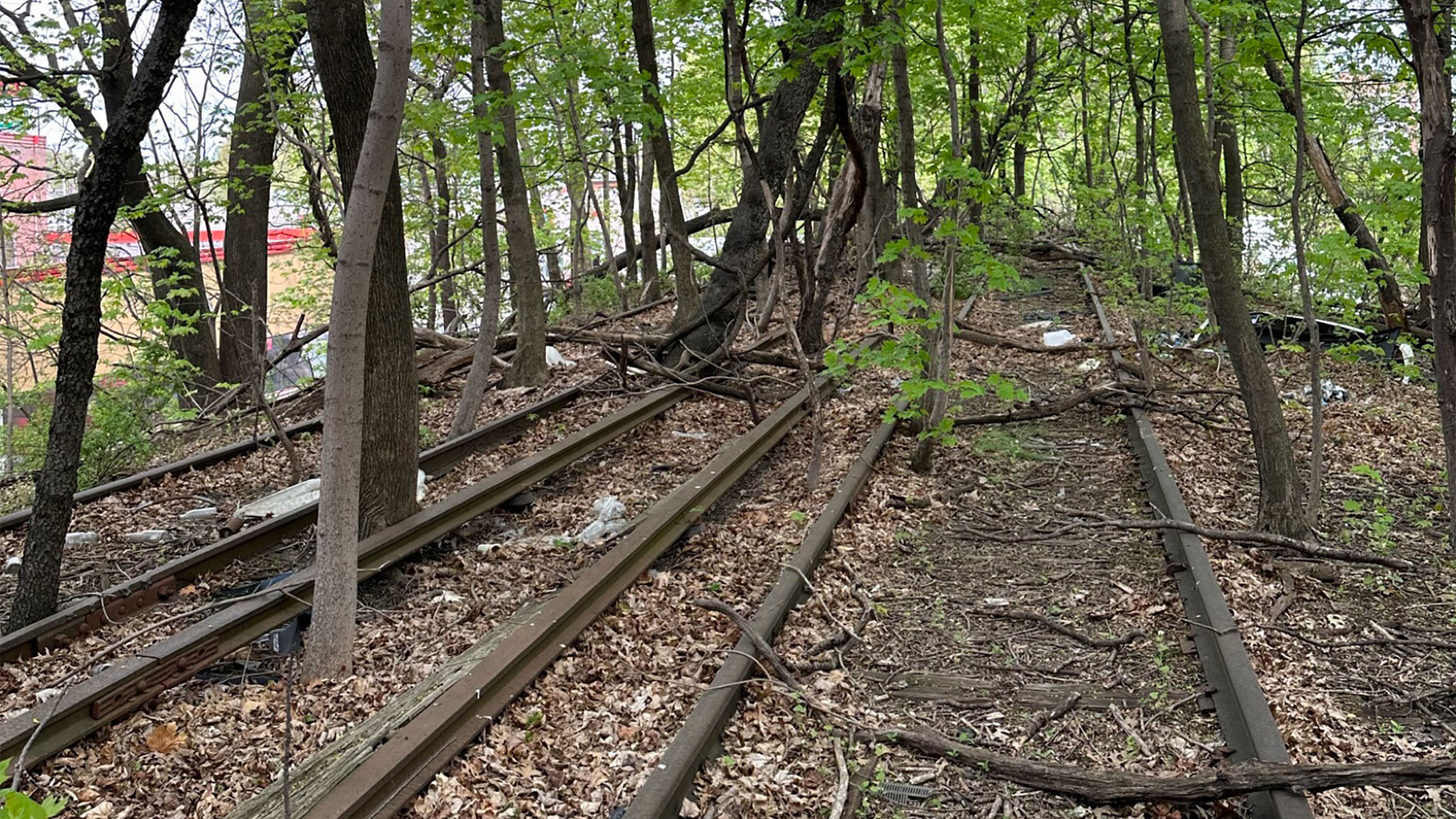
An abandoned rail corridor in Queens has become a flashpoint in a nationwide dispute over how cities should repurpose unused railroad infrastructure. The stretch of track sits idle, and the community remains divided on its ultimate purpose.
Some New Yorkers advocate converting the abandoned line into a public park, similar to successful models like the High Line in Manhattan. Others push for restoring transit functionality, either light rail or commuter rail service. A third faction argues for a hybrid approach that incorporates both recreational space and transportation capacity.
The debate hinges on competing urban priorities. Park advocates emphasize the scarcity of green space in Queens, where industrial legacy sites dominate neighborhoods and residents lack adequate recreational access. They point to the High Line's transformation of 1.45 miles of obsolete freight track into a heavily used public amenity that has spurred economic activity and improved neighborhood quality of life.
Transit proponents counter that the region faces severe congestion and that restoring rail service would reduce vehicle emissions and reliance on cars. The Metropolitan Transportation Authority has long identified transit gaps in outer boroughs, and reactivated freight corridors could address last-mile connectivity problems. Queens contains some of the city's most transit-poor neighborhoods.
The hybrid option appeals to planners who note that New York's park system and transit network both suffer from chronic underinvestment. This approach would require more complex engineering and funding mechanisms but could serve multiple community needs simultaneously.
Similar conflicts have emerged in cities across the United States. Portland, Oregon, and Washington, D.C., have grappled with comparable decisions about rail corridors. Each choice carries distinct environmental outcomes. Transit restoration reduces transportation emissions by shifting trips from cars to trains. Park conversion sequesters carbon through vegetation and addresses urban heat island effects while improving public health through recreation access.
The Queens situation underscores how land-use decisions in cities ripple across climate and equity dimensions. The outcome