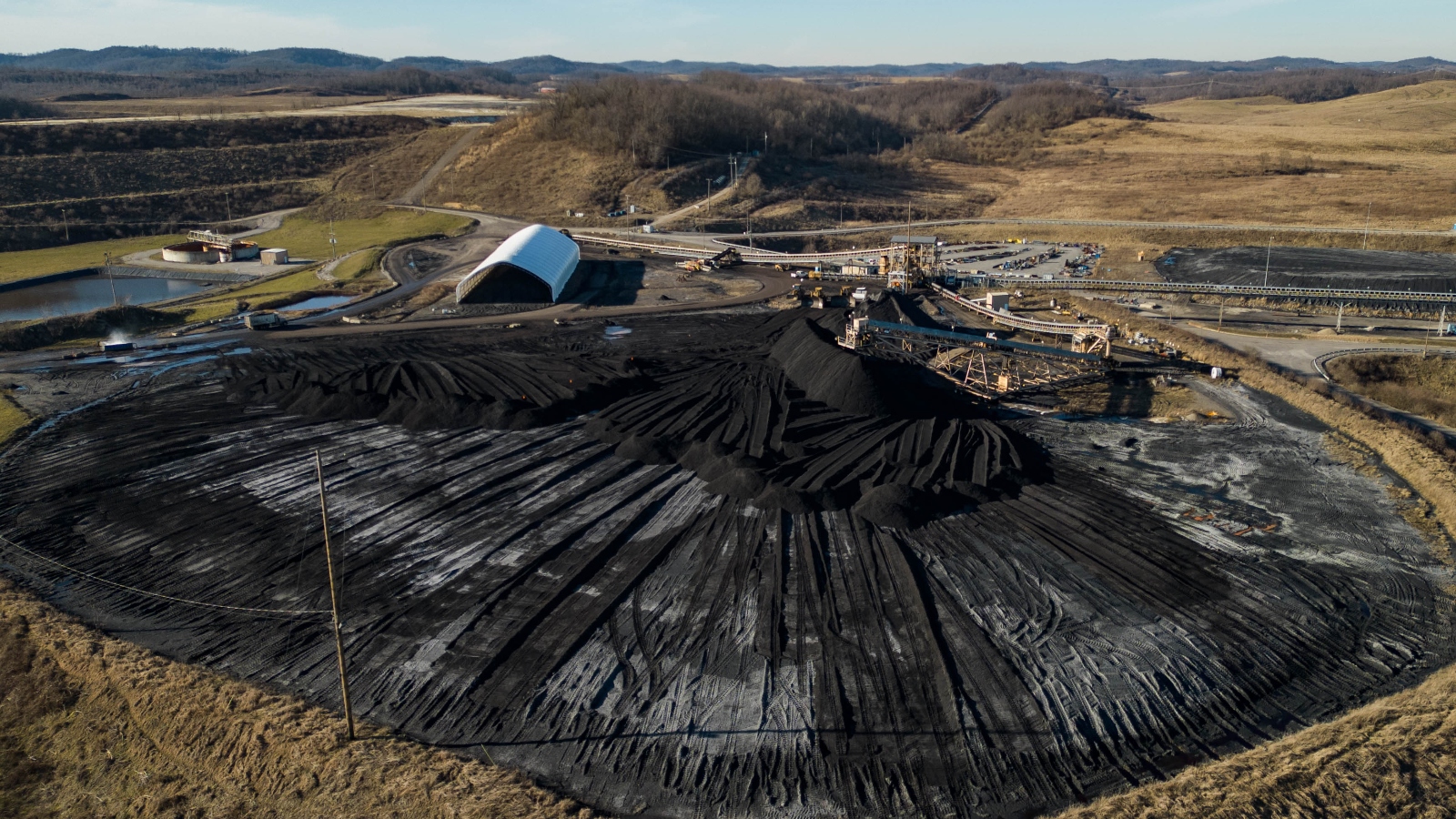
President Trump invoked the Defense Production Act to authorize roughly $700 million in federal spending for two new coal plants, one in Alaska and one in West Virginia. The administration framed the investment as necessary for national security and energy independence, describing coal as "clean, beautiful" energy.
The Defense Production Act, enacted in 1950, grants the president broad authority to direct industrial production during emergencies. Trump's use of the wartime statute for coal plant construction marks a significant shift in how the law has been deployed in recent decades. The administration argued that domestic coal production strengthens energy resilience against foreign disruption.
The two plants represent a reversal of coal's declining role in the U.S. energy portfolio. Coal generation has fallen from 50 percent of electricity in 2005 to roughly 20 percent today, displaced by natural gas and renewables. The coal industry employed 46,000 workers nationally in 2023, down from over 80,000 a decade earlier.
Environmental groups challenged the characterization of coal as clean. Burning coal produces carbon dioxide, the primary driver of climate change, along with particulate matter and nitrogen oxides linked to respiratory disease. A 2023 Harvard study estimated that coal pollution costs the U.S. economy $75 billion annually in health expenses and lost productivity.
The West Virginia plant announcement proved politically significant in a state where coal remains culturally embedded. Alaska's project raised questions about infrastructure costs in a remote region and compliance with existing environmental review processes.
The spending bypassed standard congressional appropriations and environmental review timelines, enabling faster deployment. Critics argued the Defense Production Act application conflated industrial policy with genuine national security needs, setting precedent for executive authority over energy infrastructure.
The move aligned with Trump's campaign promises to revive coal regions and reduce reliance on Chinese manufacturing, though domestic coal production itself relies heavily on mechanization rather than large-