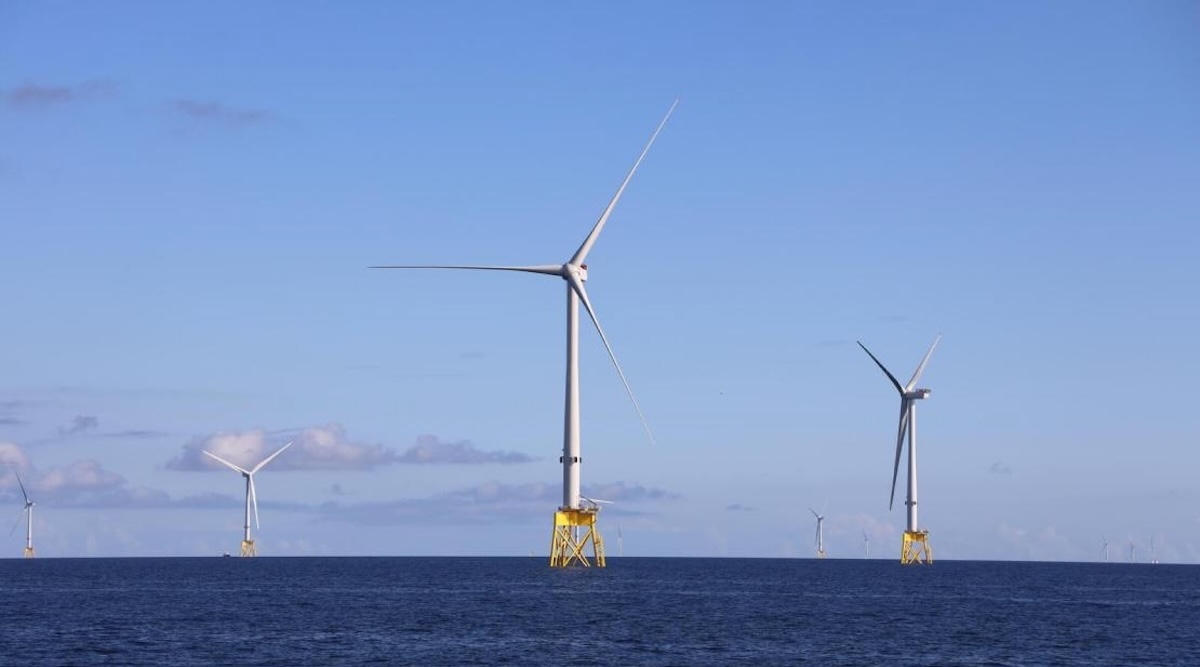
The Trump administration paid Invenergy $765 million to relinquish four offshore wind leases, according to reporting. The payment follows the administration's decision to voluntarily dismiss its own appeal in a legal challenge against an executive order banning wind development across the United States.
The settlement represents a reversal of offshore wind development commitments made under previous administrations. Invenergy held leases for wind farms off the U.S. coast, but the company opted to abandon them rather than proceed under the new regulatory environment. The $765 million payment reflects the estimated value of those development rights.
The move demonstrates the administration's commitment to blocking renewable energy expansion despite the costs involved. By paying a company to walk away from wind projects rather than allowing them to proceed, the government transfers public resources to private interests. The leases had been competitively awarded and represented years of permitting progress.
The voluntary dismissal of the appeal signals the administration's confidence in defending its wind ban against legal challenges. Environmental groups and renewable energy companies have challenged the executive order on grounds that it conflicts with federal energy policy and existing statutory obligations. By dropping its own appeal, the administration avoided potential legal precedent that could constrain its authority.
Offshore wind development represents a significant renewable energy source, with facilities generating power from ocean winds at higher capacity factors than land-based installations. The Biden administration had accelerated offshore wind permitting as part of its clean energy agenda, with multiple lease sales across the Atlantic and Pacific coasts.
Invenergy, a major independent power producer, operates fossil fuel and renewable energy projects globally. The company's decision to accept the settlement rather than litigate suggests the regulatory landscape for offshore wind has become prohibitively challenging under the new administration.
The $765 million payment raises questions about the long-term cost of reversing renewable energy development in terms of both direct expenditures and forgone clean electricity generation