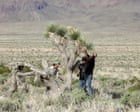
Lone Pine, a desert town of 1,882 people in California's Inyo County, faces pressure from a prospecting company seeking to extract gold as the Trump administration accelerates mining permits across the American West. The town sits beneath the Inyo mountains along a highway corridor that funnels tourists toward Death Valley and serves as a waystation for Pacific Crest Trail hikers. Local residents and Indigenous leaders now confront a brewing conflict over mining expansion in their region.
The tension reflects a broader pattern. The current administration has moved to greenlight new extraction projects across western public lands and private holdings, reversing restrictions imposed during the Biden years. Lone Pine's quiet economy depends on tourism and outdoor recreation, sectors that mining operations threaten through habitat disruption, water contamination, and landscape scarring.
Gold prospecting in the region carries particular stakes for Native American tribes whose ancestral territories overlap the proposed mining zones. Indigenous leaders have raised concerns about cultural site destruction and groundwater depletion in an already arid landscape where water access determines survival for both communities and wildlife.
The conflict pits competing visions of land use and economic development. Mining companies argue extraction creates jobs and generates tax revenue for struggling rural communities. Town officials and conservation groups counter that the long-term ecological costs and tourism revenue losses outweigh short-term extraction benefits. Once mining operations cease, landscape restoration proves costly and often incomplete.
California's mining history demonstrates these tensions. The state's 1849 Gold Rush devastated ecosystems and displaced Indigenous populations. Contemporary operations employ more controlled methods but still generate acid mine drainage, mercury contamination, and habitat loss.
Lone Pine's showdown occurs within a deregulatory moment. The administration has expedited environmental reviews and reduced consultation requirements with tribes and local governments. The town and its Indigenous allies must now navigate federal permitting processes while advocating for protective measures that may prove difficult to secure