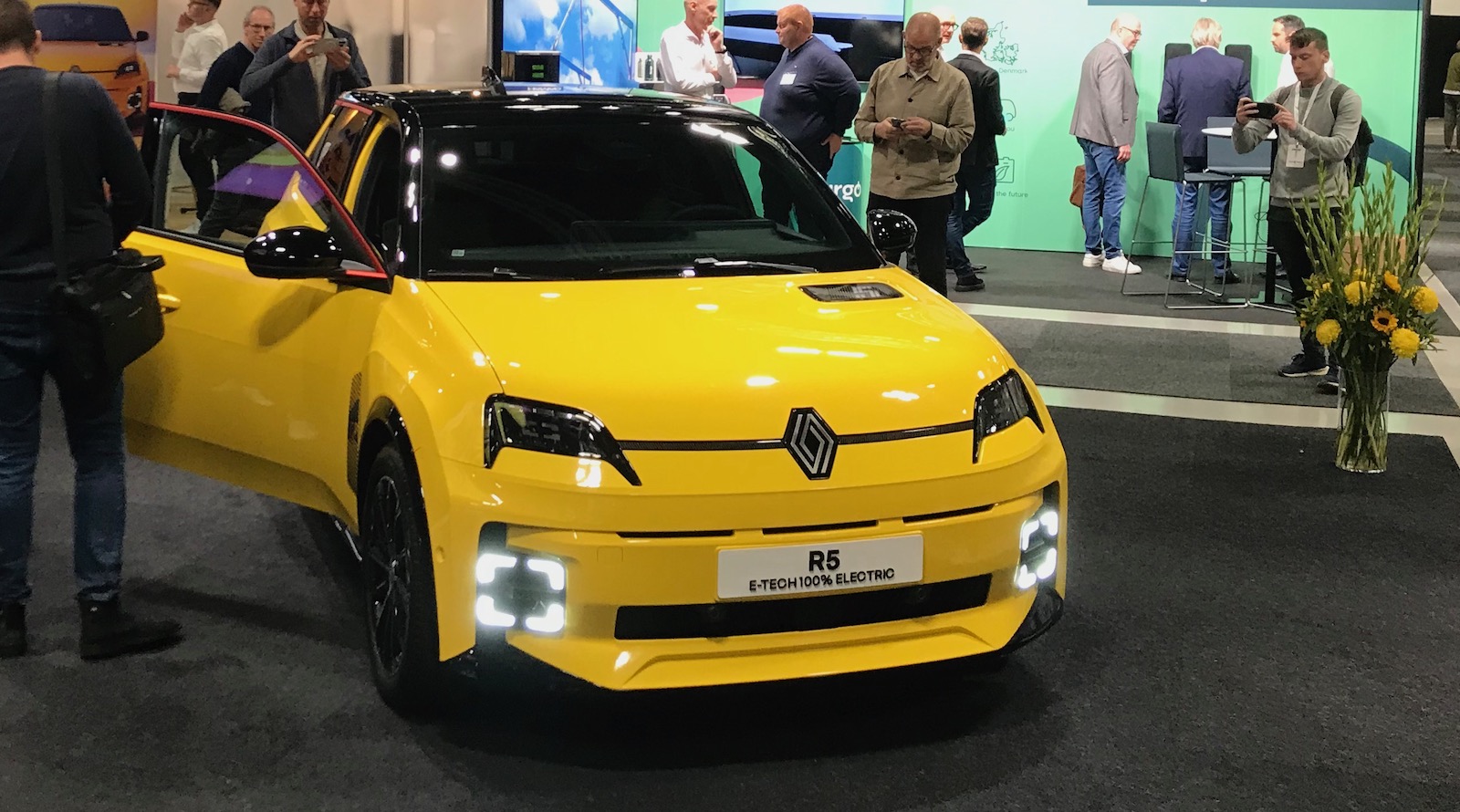
Renault reported a 50 percent surge in electric vehicle demand across several markets following Iran's blockade of the Strait of Hormuz, a critical chokepoint controlling roughly one-third of global maritime oil traffic. The blockade, triggered by escalating tensions between the US, Israel, and Iran, disrupted oil supplies to international markets and forced countries to draw down strategic petroleum reserves.
The spike in EV interest reflects a direct consumer response to oil supply uncertainty and rising fuel prices. With the Strait of Hormuz closure threatening sustained energy disruptions, buyers in affected regions accelerated purchases of battery-electric vehicles to reduce dependence on volatile fuel markets.
Renault did not specify which markets experienced the 50 percent growth, but the automaker's disclosure underscores how geopolitical shocks can shift transportation demand patterns. The company manufactures electric vehicles across Europe and emerging markets, positioning it to capture sales when fuel security concerns drive purchasing decisions.
Energy analysts have warned that prolonged Strait of Hormuz closure would exacerbate global oil shortages. The waterway handles approximately 21 million barrels of crude oil daily. Strategic reserves in the US, Europe, and Asia can buffer supply gaps temporarily, but extended blockades would force difficult energy rationing and accelerate pressure on fuel prices.
The Renault data illustrates how energy infrastructure vulnerability translates into market shifts. When consumers face threats to fuel availability or affordability, EV adoption becomes a practical hedge against geopolitical risk, not merely an environmental choice.
The episode demonstrates that energy transition adoption patterns depend partly on circumstances beyond climate policy. Supply chain disruptions, geopolitical conflicts, and reserve depletion rates now shape automotive markets directly. As global tensions persist around critical energy corridors, manufacturers like Renault benefit from structural drivers pushing consumers toward electrification regardless of carbon reduction targets.