China's 31 provincial governments have completed their 15th five-year plans, the economic blueprints that will guide development from 2026 through 2030. These documents reveal how China intends to balance growth with climate commitments and energy transitions across its regions.
The five-year plan process remains central to China's governance structure. Beijing sets national targets, then provincial governments translate those into local strategies. For the 15th cycle, this includes meeting carbon-intensity reduction goals, expanding renewable energy capacity, and managing coal phase-outs across vastly different regional economies.
The plans show considerable variation in climate ambition. Wealthy coastal provinces like Guangdong and Shanghai embed aggressive renewable energy targets and industrial decarbonization measures. Interior provinces with coal-dependent economies adopt more gradual transitions. Xinjiang and Inner Mongolia, major coal and fossil fuel producers, prioritize energy security alongside emissions reductions.
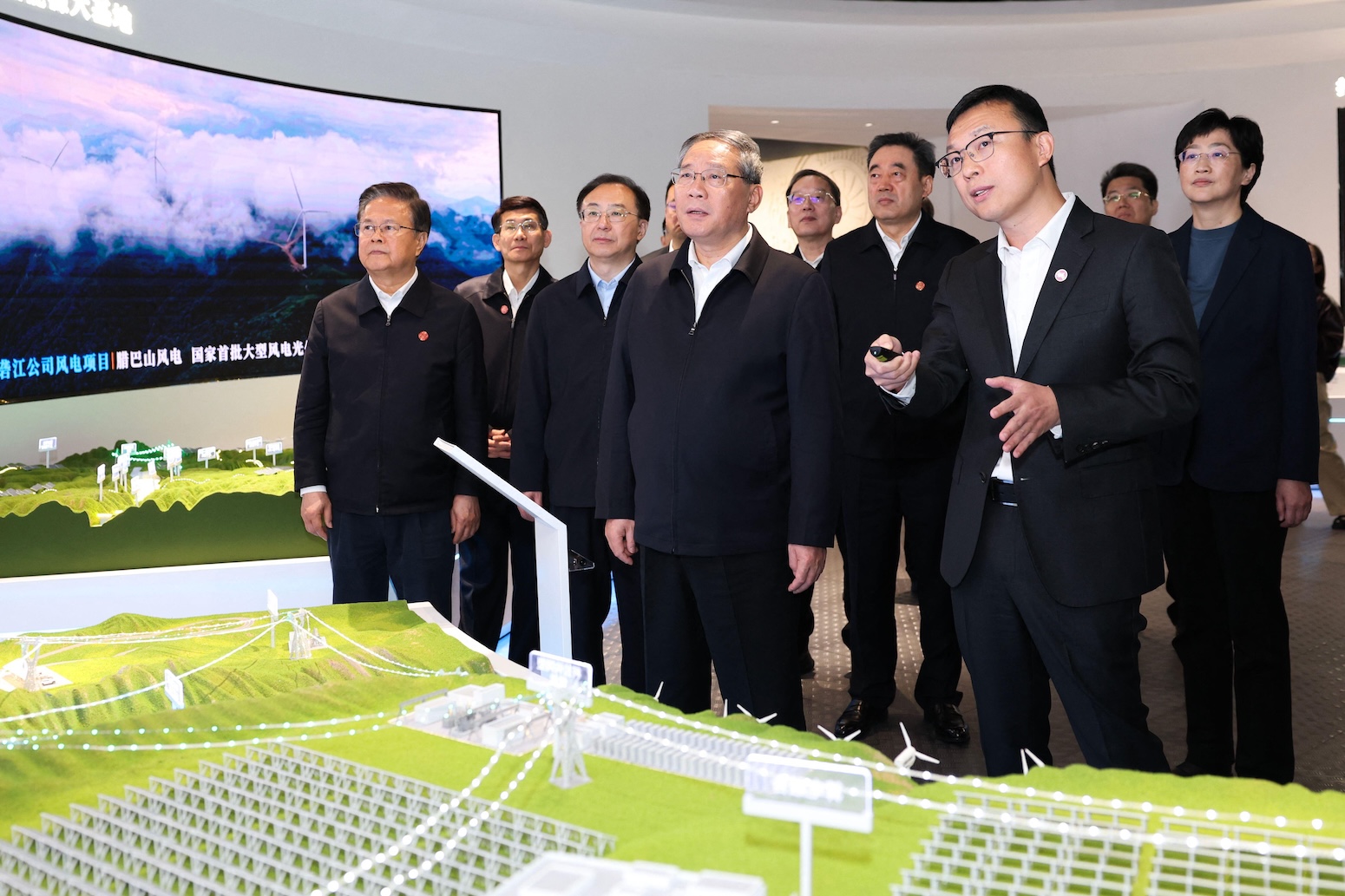
Renewable energy expansion features prominently across all plans. Provinces outline specific solar and wind capacity additions needed to meet national targets set under China's dual-carbon goals, which aim for peak emissions before 2030 and carbon neutrality by 2060. Several provinces explicitly commit to phasing out new coal plants, though timelines vary.
Industrial efficiency improvements appear in nearly every plan. Steel, cement, and chemical sectors face stricter emissions standards. Some provinces establish pilot carbon markets and green finance mechanisms to incentivize compliance.
Energy security remains a consistent theme. Despite climate commitments, provinces safeguard coal reserves and production capacity, reflecting Beijing's concerns about grid stability and economic disruption. This tension between decarbonization and energy independence shapes how aggressively each province pursues fossil fuel phase-outs.
The plans indicate China will meet its 2030 peak emissions target through a combination of renewable deployment, efficiency gains, and selective coal management. Implementation success depends on whether provinces