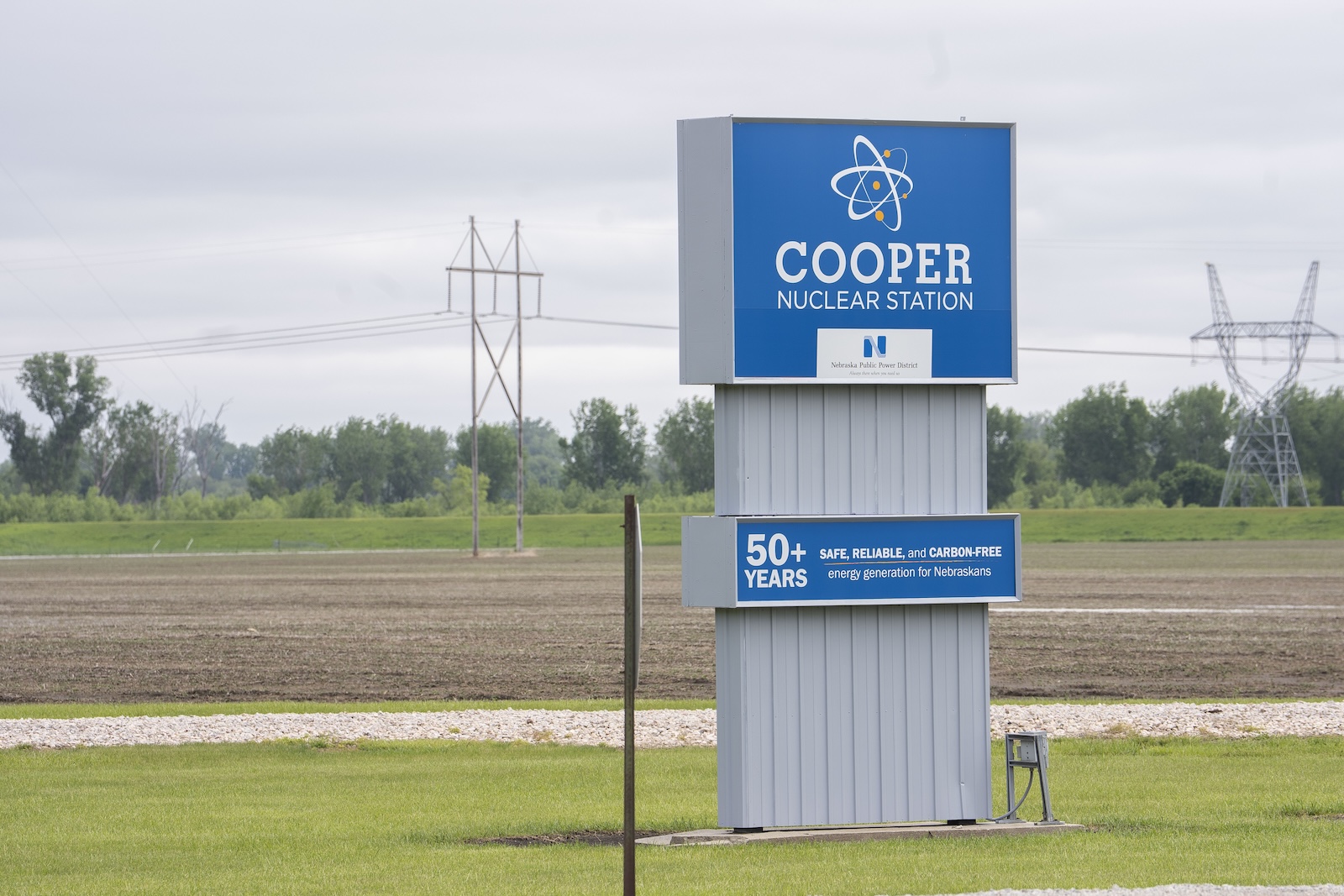
# Nuclear Power Gains Traction in Nebraska as Communities Embrace Alternative to Wind and Solar
A Nebraska utility is advancing nuclear energy projects in communities that have historically resisted large-scale renewable installations. The shift reveals a fracture in clean energy coalitions, where opposition to wind and solar projects has created openings for nuclear power.
Nuclear plants face less community backlash than wind farms in Nebraska. Residents who oppose wind turbines cite visual impacts, noise, and land use concerns. Solar installations encounter similar resistance. Nuclear facilities, by contrast, occupy smaller physical footprints and generate power without visual or acoustic disruption across the landscape.
The utility's strategy capitalizes on this dynamic. Communities resistant to sprawling wind farms spanning multiple counties now view nuclear as a preferable alternative for decarbonization. This represents a significant shift in clean energy adoption patterns.
Nebraska's experience challenges conventional assumptions about renewable energy acceptance. Environmental groups nationwide have documented fierce local opposition to wind and solar projects, even in regions supportive of climate action. Wealthy rural communities particularly resist wind installations.
Nuclear energy offers advantages beyond community acceptance. A single reactor generates baseload power equivalent to hundreds of wind turbines, using a fraction of the land. Plants operate continuously regardless of weather. Nuclear produces zero carbon emissions during operation and has an established regulatory framework.
However, nuclear development carries distinct challenges. Reactor construction requires massive upfront capital investment and extended timelines spanning a decade or longer. Waste disposal remains contested. Grid operators face complexity integrating different generation sources.
The Nebraska case suggests utilities and policymakers should examine local values shaping energy infrastructure decisions. Communities blocking renewable projects do not universally oppose clean energy. They object to specific implementations affecting their landscapes and properties.
This dynamic has policy implications. States pursuing aggressive decarbonization targets may need to expand technology portfolios beyond wind and solar. Nuclear capacity could accelerate emissions reductions in regions where solar