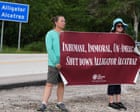
Environmental and human rights groups are pushing for the permanent closure of a Florida immigration detention facility known as "Alligator Alcatraz" even as authorities relocate detainees from the site. The facility, located in a sensitive wetland area, has drawn criticism from activists for both inhumane detention conditions and ecological damage to surrounding lands.
The coalition of environmental organizations cites documented cases of detainee maltreatment within the facility's walls. Conditions there have been described as degrading, with detainees housed in what advocates characterize as inhumane circumstances. Beyond the human rights concerns, groups highlight the facility's footprint on Florida's fragile wetland ecosystem. The detention center's operations have degraded surrounding land through infrastructure development, pollution, and disruption of natural habitats in an area already vulnerable to environmental stress.
The relocation of detainees represents a partial victory for activists but falls short of their ultimate goal. Environmental groups argue that transferring detainees elsewhere does not address the underlying problem. The facility itself remains operational infrastructure in a protected ecological zone. They demand full decommissioning and remediation of the site to restore wetland function.
Florida's wetlands serve as critical buffers against storm surge and provide habitat for numerous species adapted to these specific environmental conditions. The detention facility's presence in this landscape creates ongoing pressure on these systems through contamination risks, hydrological disruption, and habitat fragmentation.
Activists frame the closure push within broader concerns about how government facilities impact vulnerable ecosystems and populations simultaneously. The "Alligator Alcatraz" case demonstrates how detention infrastructure and environmental degradation intersect in ways that demand attention from both human rights and conservation advocates.
The relocation of detainees signals possible momentum toward closure, but environmental groups remain vigilant. They continue documenting conditions and building public support for permanent facility decommissioning and full site restoration.