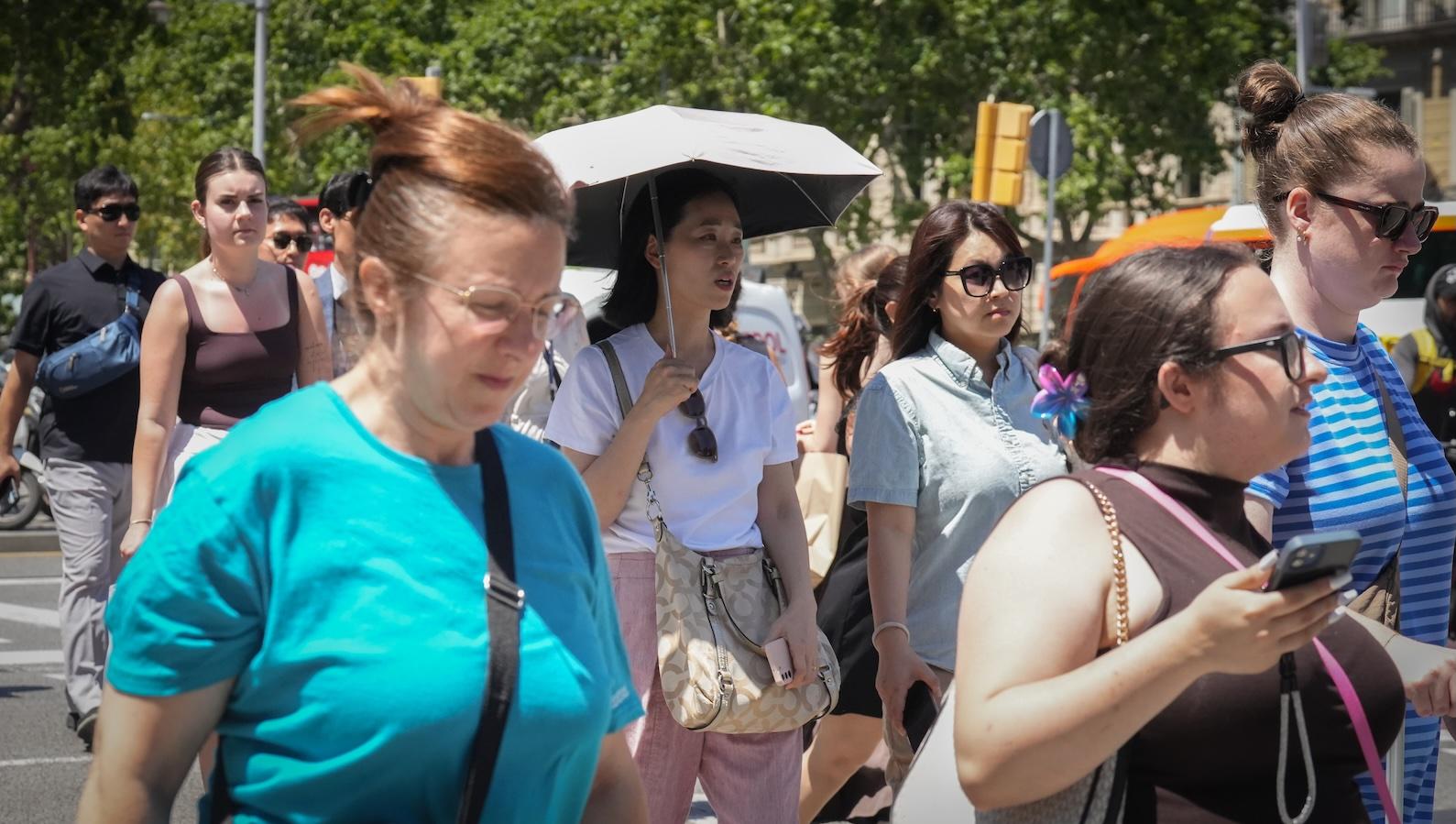
A new online mapping tool helps pedestrians identify shaded routes through cities, addressing a growing public health threat as urban heat intensifies. The tool calculates walking paths that maximize tree cover and building shade, enabling residents to plan trips that reduce heat exposure.
Urban heat islands, where cities experience significantly higher temperatures than surrounding areas, pose documented health risks. Heat-related illness hospitalizations climb during summer months, with vulnerable populations including elderly residents, outdoor workers, and people with cardiovascular conditions facing greatest risk. Tree canopy loss in many American cities exacerbates the problem. According to research from the American Forests nonprofit, the average urban tree canopy coverage in U.S. cities stands at just 27.5%, far below the 40% target scientists recommend for adequate cooling.
The mapping application functions by analyzing satellite imagery and street-level data to identify shadowed corridors. Users input start and destination points, and the algorithm plots routes emphasizing tree coverage and building shade rather than shortest distance. This approach aligns with urban planning research showing that pedestrians actively choose shadier paths when available, particularly during heat waves.
Cities including Phoenix, Los Angeles, and Miami have begun treating canopy expansion as climate adaptation infrastructure. Phoenix's Urban Heat Island Mitigation Program targets 25% tree canopy coverage by 2050, up from current levels around 10%. Los Angeles allocated $200 million for street tree planting after mapping revealed severe shade disparities in low-income neighborhoods.
The shade-mapping tool addresses a genuine gap in urban navigation services. While conventional mapping applications prioritize speed, this tool prioritizes thermal comfort and safety. Rollout remains limited to select cities, though developers report expanding coverage. Adoption faces challenges including maintaining accuracy as tree canopy changes seasonally and ensuring tool availability reaches communities most vulnerable to heat.
The initiative reflects broader recognition that climate adaptation requires granular, neighborhood-level interventions. Mapping