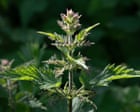
Stinging nettles inspire visceral human reactions, but Derek Niemann's walk through a Somerset combe reveals a different ecological truth. While humans curse these plants as painful nuisances, nettles function as ecological powerhouses that support diverse insect populations.
Niemann documents the familiar experience of nettle contact. A bare calf grazes hidden stems along a footpath, triggering the characteristic sting. The plant's irritating hairs contain formic acid and histamines that create a sensation between pain and pleasure, followed by a throbbing ache that fades over minutes.
Yet beneath human discomfort lies ecological significance. Nettles host extraordinary arthropod activity. Caterpillars of the small tortoiseshell butterfly and peacock butterfly feed almost exclusively on nettle leaves. Aphids colonize stems in dense clusters. Small beetles, spiders, and parasitic wasps inhabit nettle patches, using the plant as breeding and feeding habitat. Close observation reveals what humans typically miss. insects engage in feeding, mating, and life cycles that depend on nettle presence.
This contradiction between human perception and ecological function appears throughout nature writing. Plants that inconvenience us often prove essential for other species. Nettles thrive in disturbed ground, producing nutrient-dense leaves that livestock and humans once harvested for food and fiber. Medieval communities made nettle soup and nettle cordage. Contemporary foragers recognize the plant's culinary and medicinal potential.
The Somerset combe's nettles perform ecosystem services humans rarely acknowledge. They stabilize soil, cycle nutrients, and provide nectar for insects during early summer when other food sources remain scarce. Their rapid growth suppresses invasive species while their dense growth offers shelter to ground-nesting birds and small mammals.
Niemann's account suggests a necessary reframing. Rather than viewing n