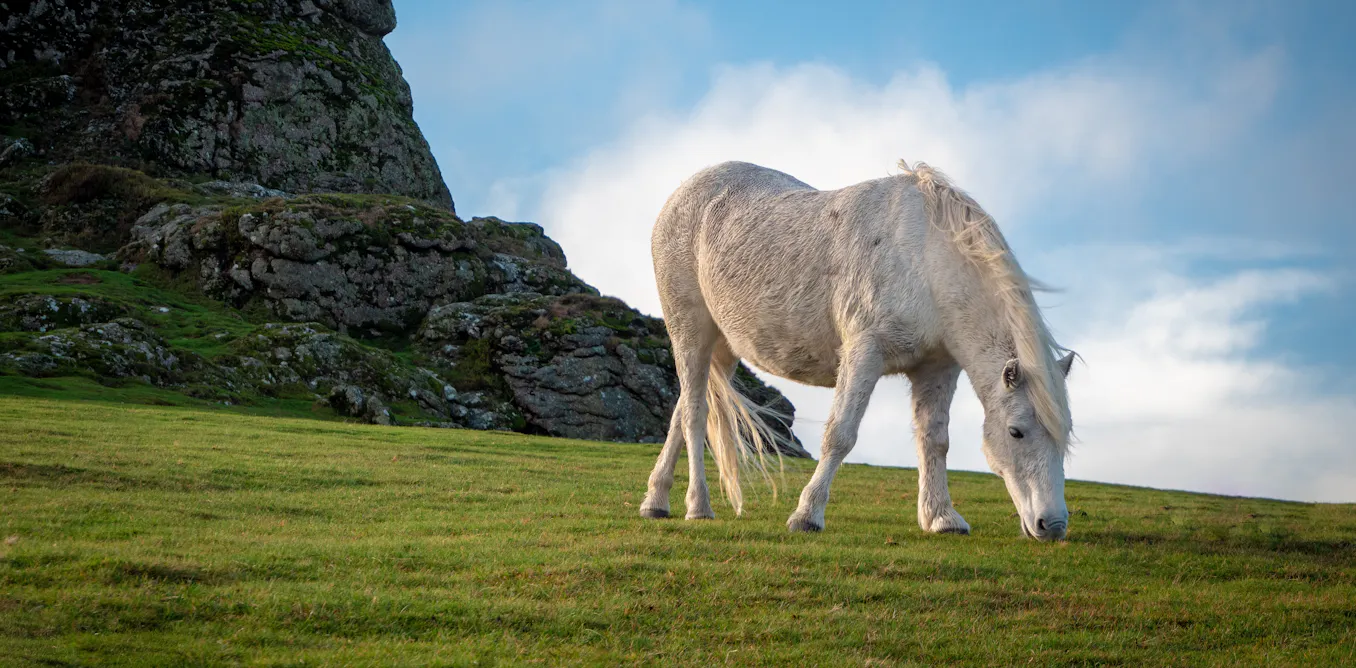
A dispute over habitat management on Dartmoor has resurfaced following allegations that semi-wild ponies face culling. The disagreement centers on competing visions for restoring Britain's moorlands.
Dartmoor's ponies, which roam semi-wild across the landscape, play a documented ecological role. They graze on heather and rough vegetation, preventing woody plants from encroaching and maintaining the open moorland habitat that supports specialized plant and animal communities. The ponies' grazing patterns create diverse microhabitats, benefiting ground-nesting birds and rare insects adapted to specific vegetation structures.
Yet conservation managers have grown concerned about overgrazing in certain areas. This tension between pony welfare and habitat restoration has created policy uncertainty. Recent changes to moorland management frameworks have raised questions about whether economic pressures or shifting conservation priorities might lead authorities to reduce pony populations rather than invest in rotational grazing systems.
Dartmoor's moorland covers approximately 36,400 hectares. The landscape depends on open conditions maintained through grazing, whether by ponies, sheep, or cattle. Reducing pony numbers would require compensatory livestock to prevent scrub encroachment, a costly alternative that fewer landowners currently practice.
The pony population operates within a traditional common grazing system where local commoners hold historical rights to graze animals. This legal framework has shaped land use for centuries but faces pressure from changing agricultural economics and conservation funding models.
Conservationists argue that eliminating semi-wild ponies removes a self-sustaining grazing mechanism adapted to moorland conditions. Ponies require minimal supplemental feeding compared to domestic livestock and integrate habitat management with cultural heritage. Their removal would likely increase reliance on more labor-intensive and expensive grazing regimes.
The broader question concerns how Britain manages degraded heathlands and moorlands across the country. Dartmoor serves