Federal budget cuts threaten research operations across the Great Lakes, with NOAA-funded scientists warning of cascading consequences for public safety, shipping commerce, and regional health.
The National Oceanic and Atmospheric Administration provides critical funding for monitoring water quality, tracking harmful algal blooms, forecasting storms, and studying invasive species in the five-lake system. These operations directly support a $7 billion maritime economy and serve 30 million people who depend on Great Lakes water.
Researchers face uncertainty about continuing long-term studies essential to understanding environmental trends. NOAA funds track toxic contaminants in fish, monitor oxygen depletion in deep waters, and document shifts in fish populations. Without sustained funding, gaps emerge in datasets spanning decades. Scientists cannot restart interrupted monitoring programs without losing continuity needed to identify pollution trends or disease patterns.
Harmful algal blooms pose immediate public health risks. Coastal communities have experienced beach closures and contaminated drinking water supplies when toxic cyanobacteria blooms explode. NOAA-supported research predicts bloom timing and identifies early warning signals. Budget reductions force cuts to sampling networks and predictive modeling.
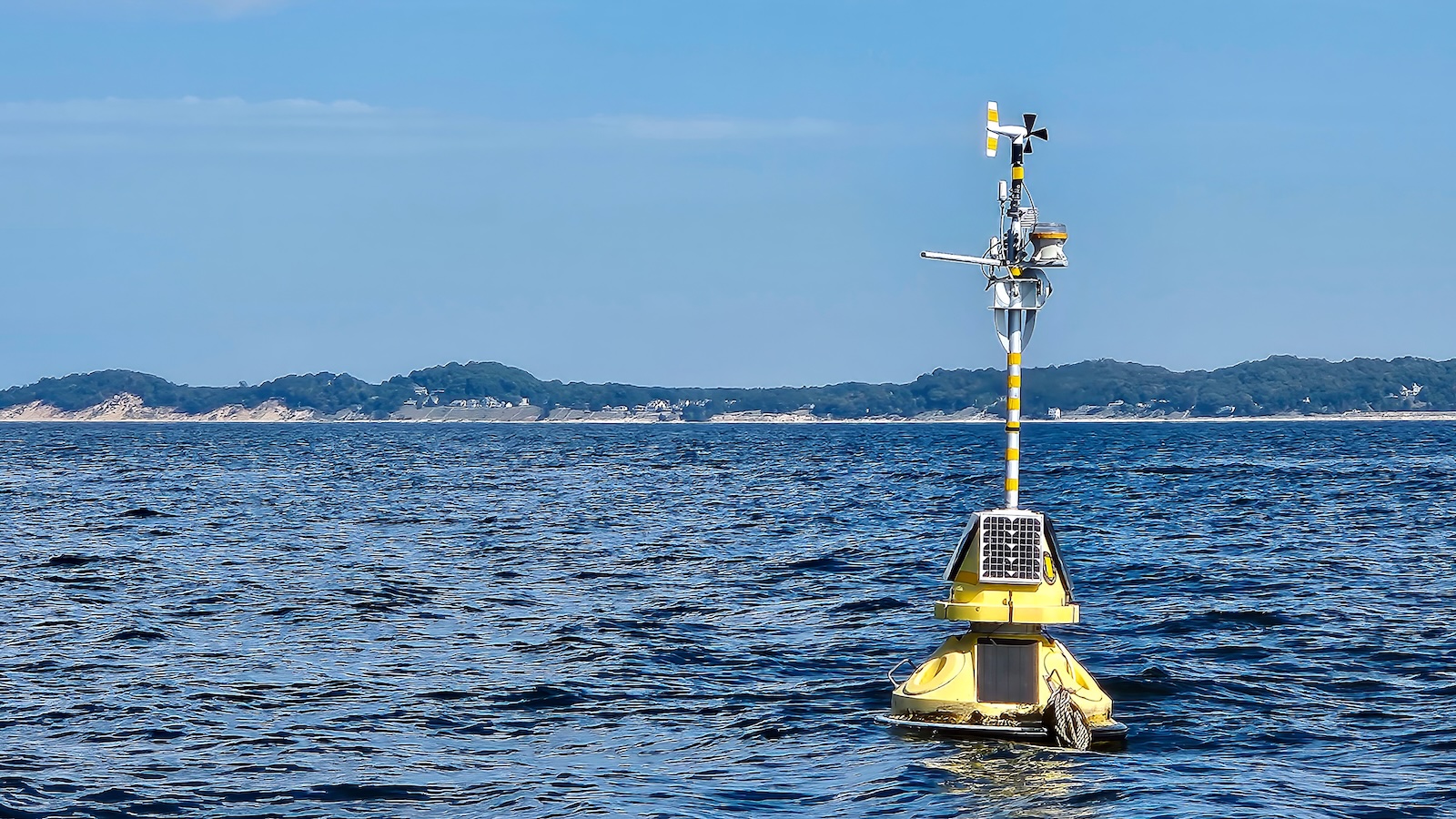
Storm forecasting accuracy depends on Great Lakes-specific data. NOAA maintains buoys and sensors feeding into weather prediction models. These systems provide advance warning for dangerous conditions affecting shipping operations and coastal safety. Reduced monitoring translates to decreased forecast reliability during severe weather events.
The research cuts also jeopardize efforts to control invasive species like zebra mussels and sea lampreys, which clog water intakes and damage native fish populations. Tracking and control programs require sustained funding for surveillance and response capabilities.
Budget pressures force difficult choices. Some institutions may reduce staff or pause projects awaiting renewed appropriations. Early-career researchers face hiring freezes. The cumulative effect weakens the scientific infrastructure supporting decisions about water management, pollution