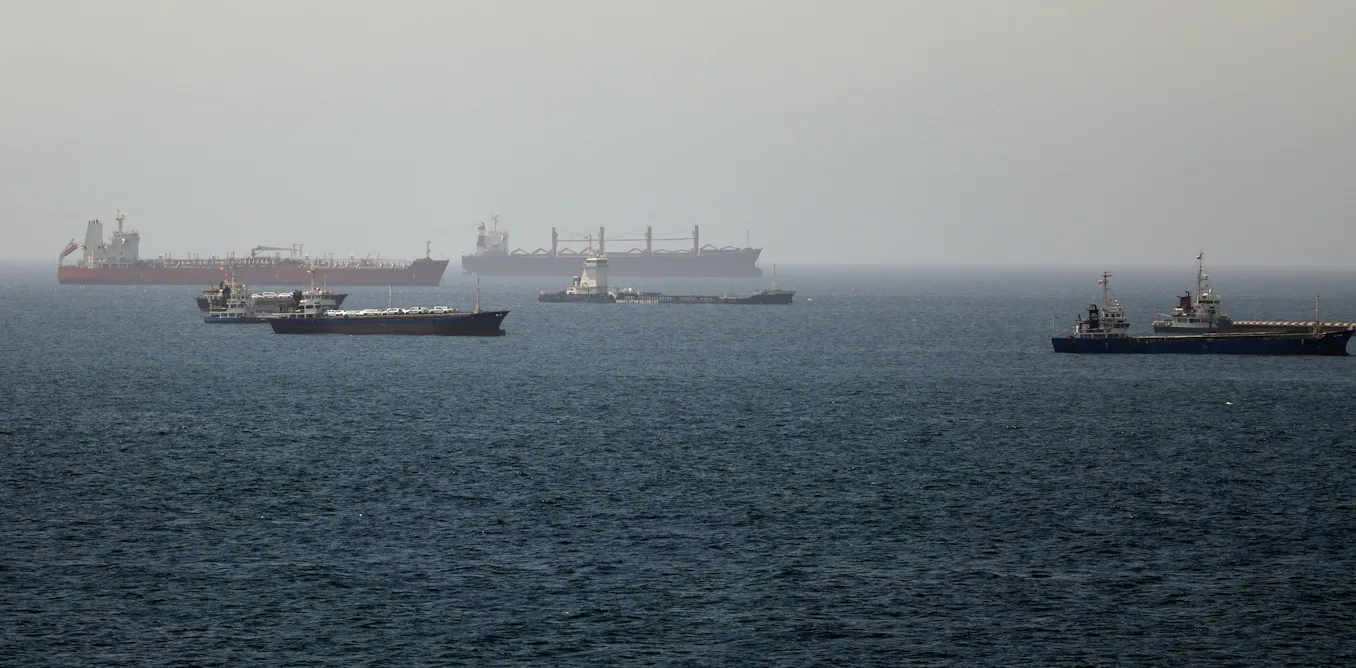
A restored nuclear accord with Iran would gradually increase global oil supplies, but experts warn against expecting rapid market shifts. The Strait of Hormuz, through which roughly 21% of global petroleum passes, remains constrained by shipping damage and infrastructure bottlenecks even if sanctions ease.
Iran's oil sector has deteriorated during sanctions. The country's crude production fell from 3.7 million barrels per day in 2011 to roughly 2.6 million barrels daily by 2024. Restarting dormant fields and refineries requires months of technical work, spare parts procurement, and capital investment. European and Asian buyers would likely return gradually, not overnight.
Liquefied natural gas exports face similar delays. Iran holds the world's second-largest natural gas reserves but has not expanded LNG capacity since sanctions began. New export terminals take two to three years to build. Current infrastructure can handle only limited additional volumes.
Geopolitical risks persist despite a deal. Regional tensions, vessel attacks, and insurance complications could disrupt tanker flows through the Strait. The shipping industry learned during previous disruptions that physical chokepoints constrain production gains regardless of political agreements.
Market analysts project Iran could add 500,000 to 1 million barrels per day to global supplies within 18 months of sanctions lifting, assuming steady Western investment and no new conflicts. That increase would represent roughly 0.5% to 1% of world demand. Global oil prices would face downward pressure but not collapse.
The Trump administration's framing of immediate oil releases oversimplifies energy infrastructure realities. Physical constraints, not political will, determine how quickly Iranian crude reaches markets. Technical teams, not rhetoric, will determine the actual timeline for restoring Iran's role as a major oil supplier.