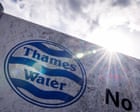
Emma Reynolds, the environment secretary, signals the government is moving toward special administration for Thames Water, Britain's largest water company serving 15 million people across London and the southeast. The company faces a funding crisis after accumulating £14 billion in debt while dividends flowed to shareholders and infrastructure investments stalled.
Special administration would place Thames Water into temporary state receivership, allowing the government to fund operations while opening the company to competitive bids. This approach differs from full nationalisation or a creditor takeover, offering flexibility in restructuring.
The political shift matters. Two years after Thames shareholders exited, the company has remained insolvent despite multiple rescue attempts. A private equity consortium's bid faced government opposition, signaling Whitehall's preference for alternatives that maintain public control and prevent further asset stripping.
The stakes are operational and environmental. Thames Water manages sewage treatment for millions of households while facing aging infrastructure that causes raw sewage discharges into the Thames River. Ofwat, the water regulator, has pressured the company on compliance failures, including pollution breaches. Special administration could accelerate needed capital expenditure on treatment plants and pipe networks without waiting for investors seeking profit margins.
Reynolds' statement suggests the government recognises that Thames Water's structure has failed customers and the environment. Private ownership under debt-loaded conditions prioritised shareholder returns over maintenance and environmental protection. The company's collapse in water quality metrics and sewage spill incidents reflects underinvestment during its private ownership period.
Special administration creates a transition mechanism. The temporary state role funds day-to-day operations while allowing time to restructure the company's debt and ownership. This preserves employment, maintains service continuity, and prevents catastrophic system failure during winter months when sewage volumes spike.
The decision still lacks formal announcement, but Reynolds' comments indicate the government has internally resolved the question. Nationalisation remains politically sensitive,