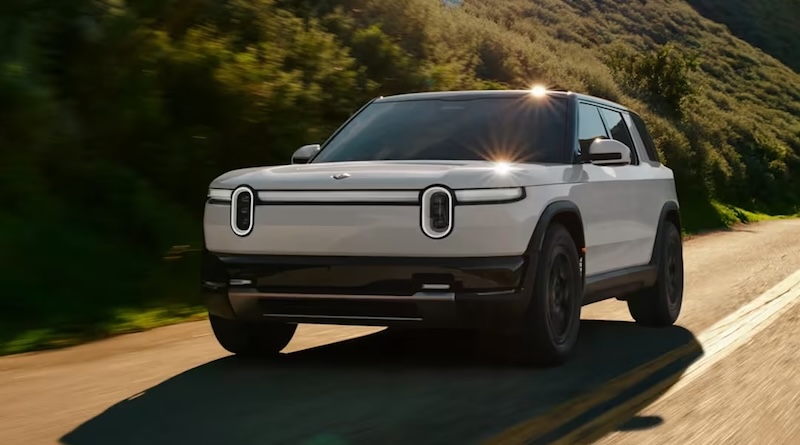
Rivian announced layoffs as part of a strategic pivot to lower-cost electric vehicles. The automaker is transitioning from its premium SUV and truck lineup toward more affordable models designed to reach broader market segments and increase production volume.
The company faces mounting pressure to achieve profitability as it scales manufacturing operations. Rivian's R1T and R1S vehicles, positioned in the high-end market, generated limited unit sales despite strong pre-order demand. The shift toward moderately priced EVs requires restructuring operations and workforce adjustments to match the economics of lower-margin production.
Rivian currently operates manufacturing facilities in Normal, Illinois and Georgia. The company has raised billions in capital from investors including Amazon and Saudi Arabia's Public Investment Fund, but cash burn has accelerated as it ramps production. Wall Street and investors scrutinize the timeline to positive cash flow.
The layoff announcement reflects broader industry dynamics. Legacy automakers investing billions in EV development face similar pressures to demonstrate path-to-profitability. Tesla proved that scaled EV production at higher volumes generates sufficient margins, even at lower per-unit prices. Rivian's competitive position depends on replicating that model while maintaining its premium brand positioning in some segments.
The company's ability to execute this transition determines its long-term viability. Moving downmarket typically requires new platforms, supply chain optimization, and manufacturing efficiency improvements. Competitors including Ford, General Motors, and established Chinese EV makers already operate profitably in mid-market segments.
Rivian's move signals confidence in demand for electric adventure vehicles across price points. Market research indicates consumer interest in affordable EVs remains strong, particularly as battery costs decline and charging infrastructure expands. Success requires both product competitiveness and manufacturing discipline to avoid the cash burn that has challenged other EV startups.
The layoffs represent Rivian's acknowledgment that capital alone cannot