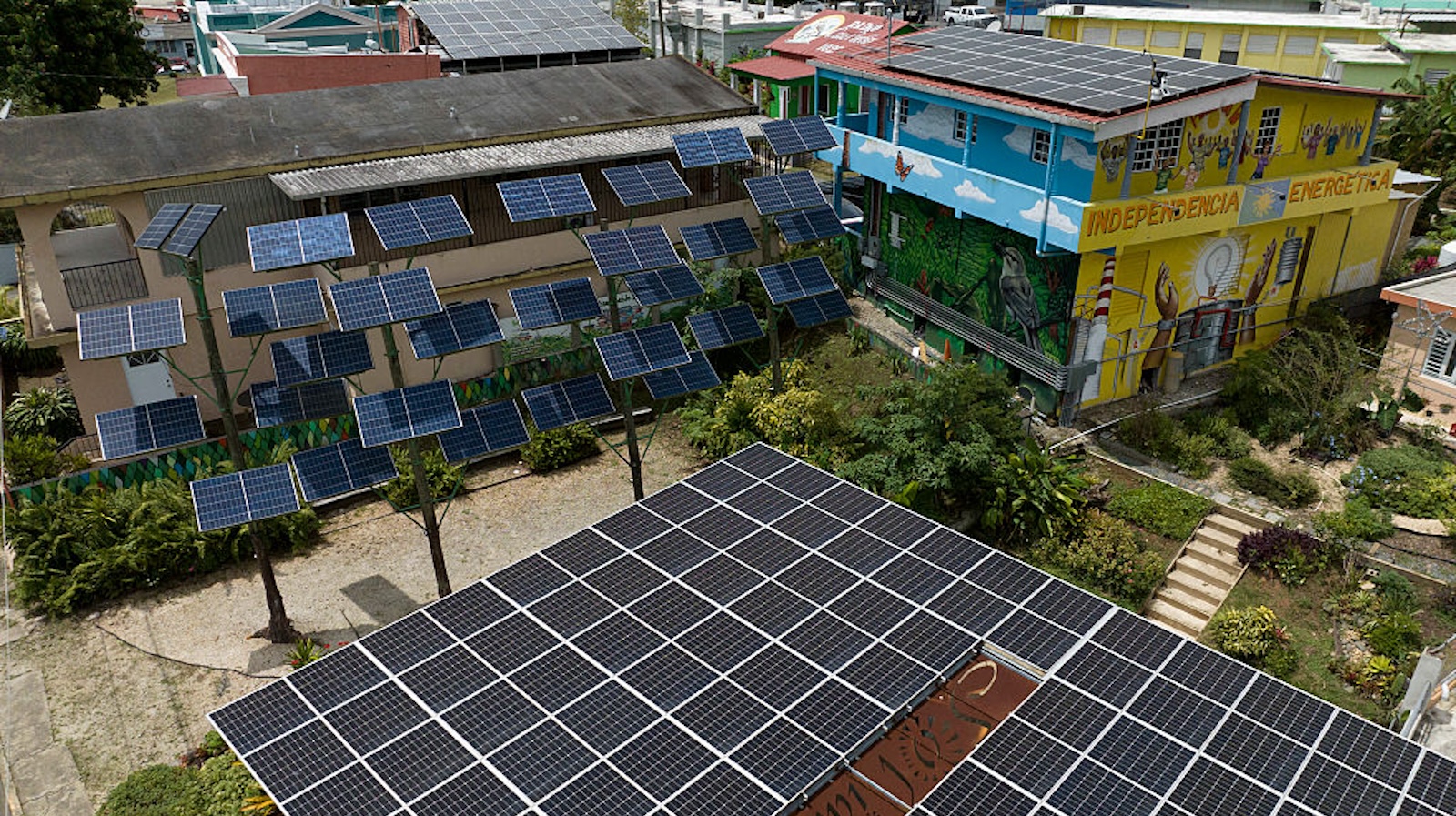
The Department of Energy steered federal solar funds intended for Puerto Rico's renewable energy transition toward PREPA, the island's financially troubled utility company, according to internal documents obtained by Grist.
The DOE awarded approximately $250 million from the Inflation Reduction Act to finance solar projects across Puerto Rico. Yet the agency directed these funds through PREPA despite the utility's bankruptcy status and a track record of mismanagement that contributed to widespread blackouts and service failures.
Internal DOE memos acknowledge the decision carried political risk. One document states the choice "may generate negative commentary" and be perceived as "undue favoritism" toward a utility that has struggled to deliver reliable electricity to 1.4 million residents. The memos reveal the DOE weighed these concerns but proceeded anyway, framing the partnership as necessary for grid integration.
The routing of IRA funds through PREPA contradicts the law's stated goal of accelerating clean energy deployment while building resilience in communities historically underserved by renewable infrastructure. Puerto Rico faces particular vulnerability to climate-driven hurricanes and grid failures, making distributed solar installations critical for energy independence.
PREPA's financial distress raises questions about implementation capacity. The utility has faced federal oversight since entering bankruptcy in 2017, with restructuring efforts stalled for years. Energy analysts argue that channeling solar investments through an unstable entity risks delays, cost overruns, and incomplete project delivery.
Alternative pathways existed. Community solar cooperatives and municipal utilities have successfully managed renewable projects in Puerto Rico with stronger performance records. Environmental groups petitioned the DOE to reconsider, citing PREPA's history and the opportunity to build local energy autonomy.
The decision reflects broader tensions within federal climate spending. The IRA allocated unprecedented sums for clean energy, yet implementation often funnels resources through existing infrastructure rather than transforming it. For Puerto Rico, this approach