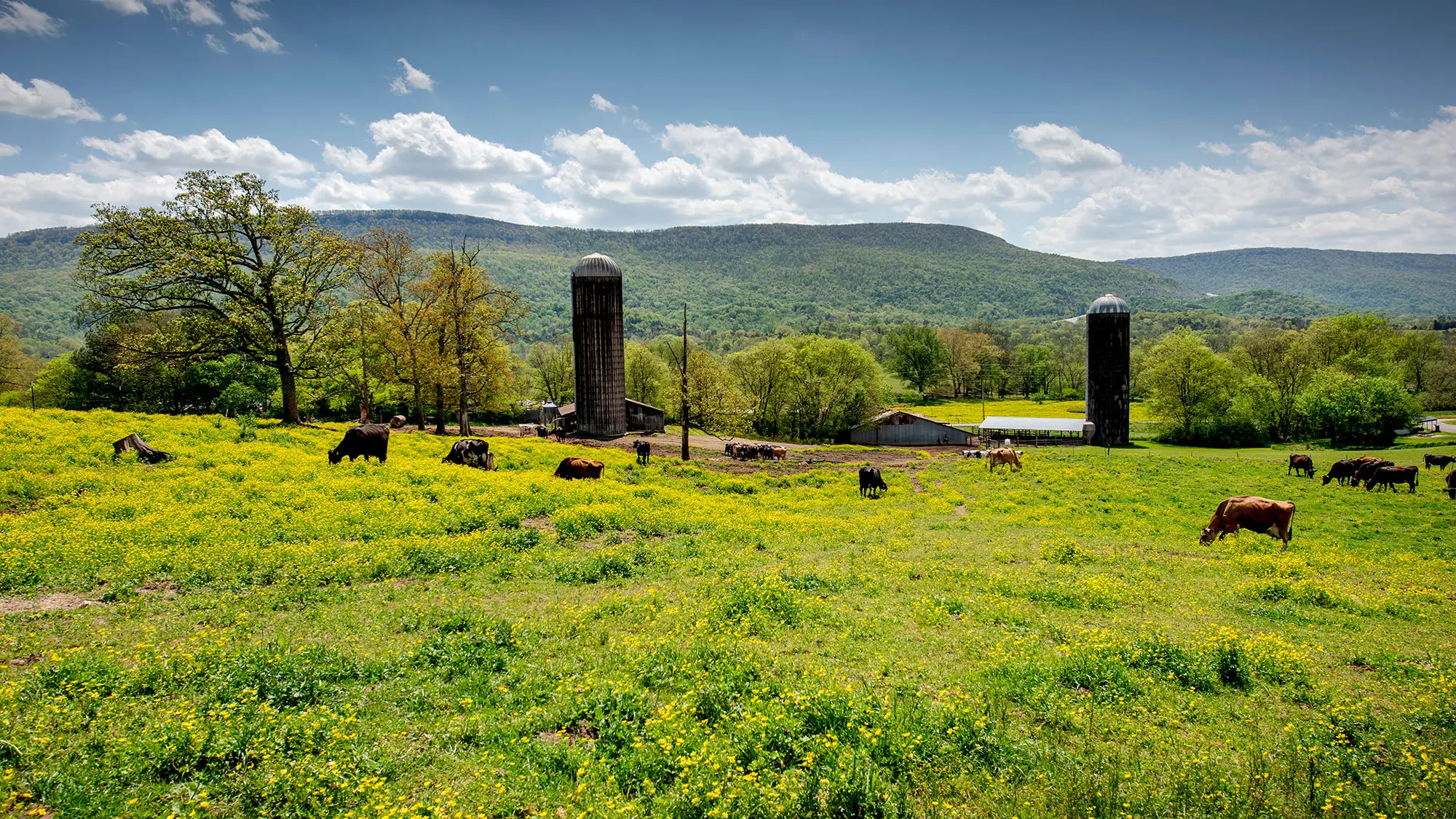
Georgia faces a farmland crisis. The state projects that 10 percent of its agricultural land will convert to housing or industrial development over the next 15 years, representing a loss of productive soil that took centuries to establish. This conversion accelerates habitat fragmentation and removes land from food production at a moment when regional agriculture faces mounting pressures from climate volatility and supply chain disruption.
The state has launched a conservation fund to slow this trend, but experts question whether the mechanism moves fast enough or carries sufficient resources. Conservation funds typically acquire permanent easements on farmland, legally restricting development in exchange for payments to landowners. Georgia's approach follows models used in states like Vermont and Maryland, where easement programs have preserved millions of acres. Yet Georgia's fund operates at limited scale compared to the pace of conversion the state now confronts.
Agricultural land loss in Georgia reflects broader regional patterns. Between 2007 and 2017, the state lost roughly 500,000 acres of farmland annually, according to U.S. Department of Agriculture data. The figure compounds because once farmland converts to urban or suburban use, restoration proves nearly impossible. The state's expanding population, particularly around Atlanta, drives development pressure into surrounding counties where productive soils and lower land costs attract homebuilders and logistics companies.
State officials framed the conservation fund as a tool to balance growth with agricultural preservation. Yet funding levels remain a constraint. Similar programs in other states typically operate with annual appropriations far exceeding Georgia's current allocation, limiting the number of easements the state can purchase each year.
Farmers themselves face mixed incentives. Selling development rights permanently reduces land value compared to keeping the option open for future conversion. This gap between easement compensation and potential development profits creates a fundamental tension in voluntary conservation approaches.
Experts note that preservation requires complementary policies. Zoning reforms that channel development away from prime agricultural soils, state tax