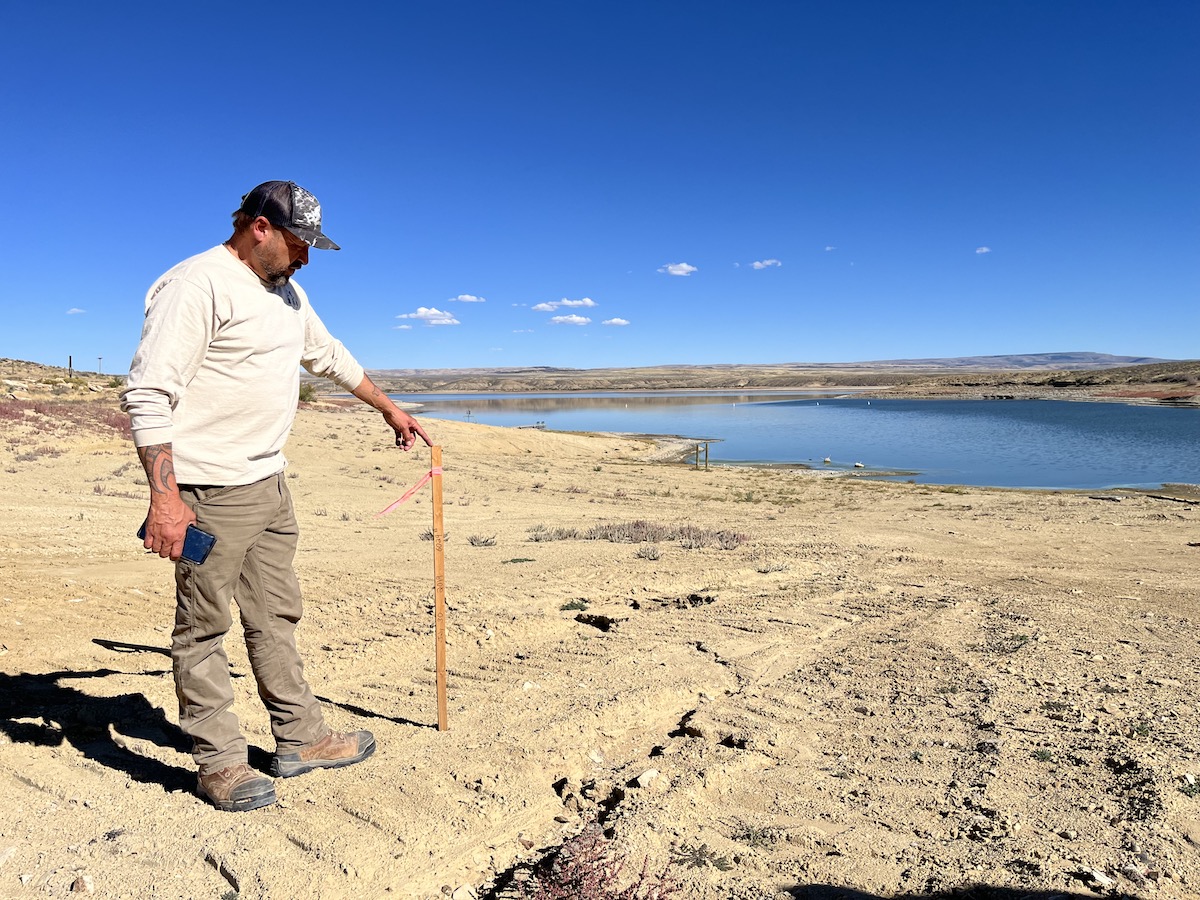
The U.S. Bureau of Reclamation ordered an emergency drawdown of Flaming Gorge Reservoir in Utah and Wyoming this spring, lowering water levels by 15 feet to manage structural concerns at the dam. The rapid decline exposed boat ramps and stranded marinas, crippling the recreation economy that depends on full water access.
Tony Valdez, manager of Buckboard Marina on the Wyoming side, processed refunds as the water retreated from docks. Elderly visitors like one Green River resident abandoned season passes after discovering they could no longer safely access the lake. Broken boat ramps and inaccessible slips forced cancellations across multiple marinas and outfitters.
Flaming Gorge, a 91-mile reservoir created by a 502-foot dam completed in 1964, supplies water and hydropower to Utah, Wyoming, and Colorado. The drawdown targeted concerns with the dam's structural integrity. While the Bureau of Reclamation did not immediately disclose specifics, such emergency measures typically respond to seepage, concrete degradation, or foundation issues that threaten safety.
The reservoir's recreation sector generates tens of millions annually through boating, fishing, camping, and tourism across three states. Small towns like Manila, Utah, and Green River, Wyoming rely heavily on summer visitor spending. Marinas lose revenue from fuel sales, rentals, and moorage fees. Outfitters cancel guided fishing trips. Hotels and restaurants experience sharp declines in bookings.
The drawdown highlighted water management tensions in the Colorado River Basin. Prolonged drought has already pushed Lake Powell and Lake Mead to historic lows. Flaming Gorge, the third-largest reservoir on the Colorado River system, sits higher in the basin but faces mounting pressure. Lower water elevations reduce hydropower generation at the dam, forcing utilities to seek replacement