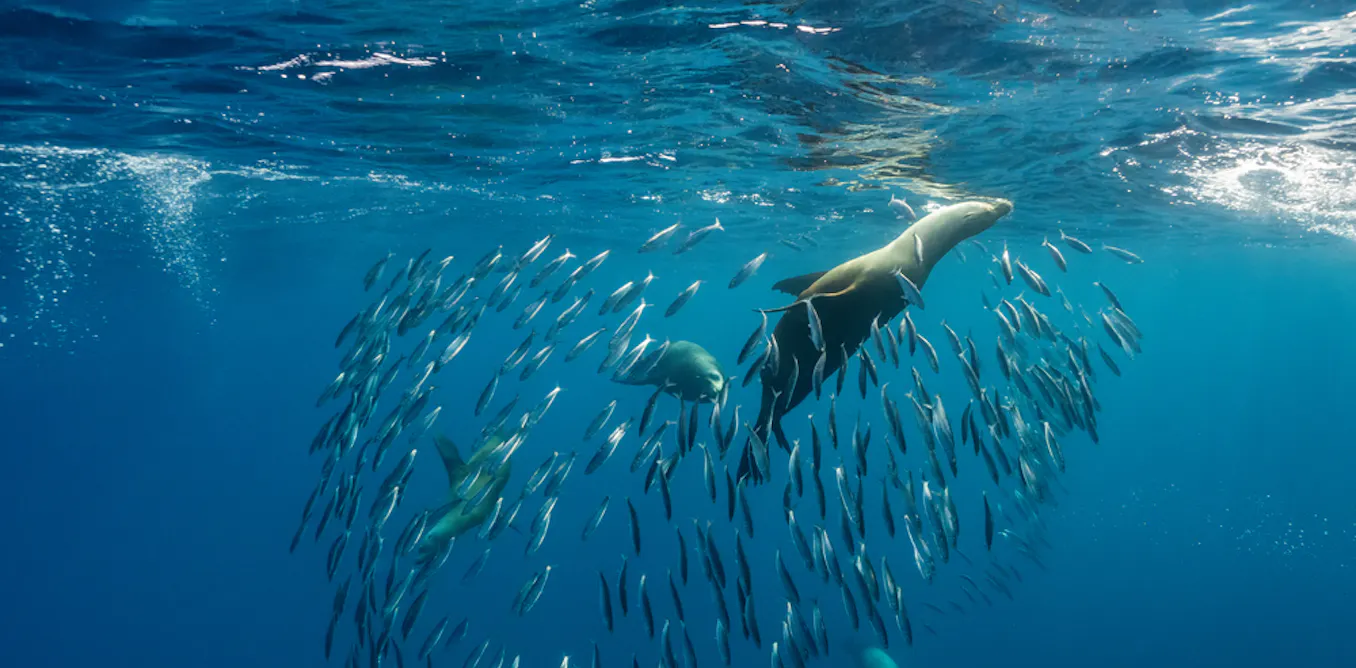
El Niño conditions in 2023 triggered a collapse in anchovy populations off Peru's coast, threatening both commercial fishing and marine wildlife dependent on the species. Peru produces roughly 10 percent of the world's fish meal, a protein source used in aquaculture and livestock feed. The anchovy crash jeopardized that output at a moment when global food security already faces pressure from climate disruption.
The mechanism is straightforward. El Niño events warm Pacific surface waters, altering upwelling patterns that normally bring nutrient-rich water to Peru's fishing grounds. Without these nutrients, anchovy stocks plummet. The 2023 event ranked among the strongest on record, intensifying the effect.
The economic stakes extend beyond Peru. Fish meal derived from anchovies feeds farmed salmon, shrimp, and poultry operations across Asia, Europe, and North America. A shortage drives up costs for producers worldwide and ultimately affects consumer prices for protein. Peru's fishing sector employed over 400,000 people directly before the recent collapse, with many more dependent on related industries.
The ecological toll runs equally deep. California sea lions and fur seals in the eastern Pacific rely heavily on small fish species, particularly anchovies. During strong El Niño years, starvation becomes common among pup populations. Scientific studies documented elevated mortality rates in marine mammal populations during previous super El Niño events in 1997 and 2015.
Climate models project stronger and more frequent El Niño events in coming decades as ocean temperatures rise. This pattern threatens the stability of Peru's fishery, which already operates under strict quotas designed to prevent complete stock collapse. Policymakers face a difficult choice: balance short-term economic needs against long-term ecosystem health.
Research institutions across Peru, Chile, and the United States monitor anchovy populations and El Niño conditions continuously