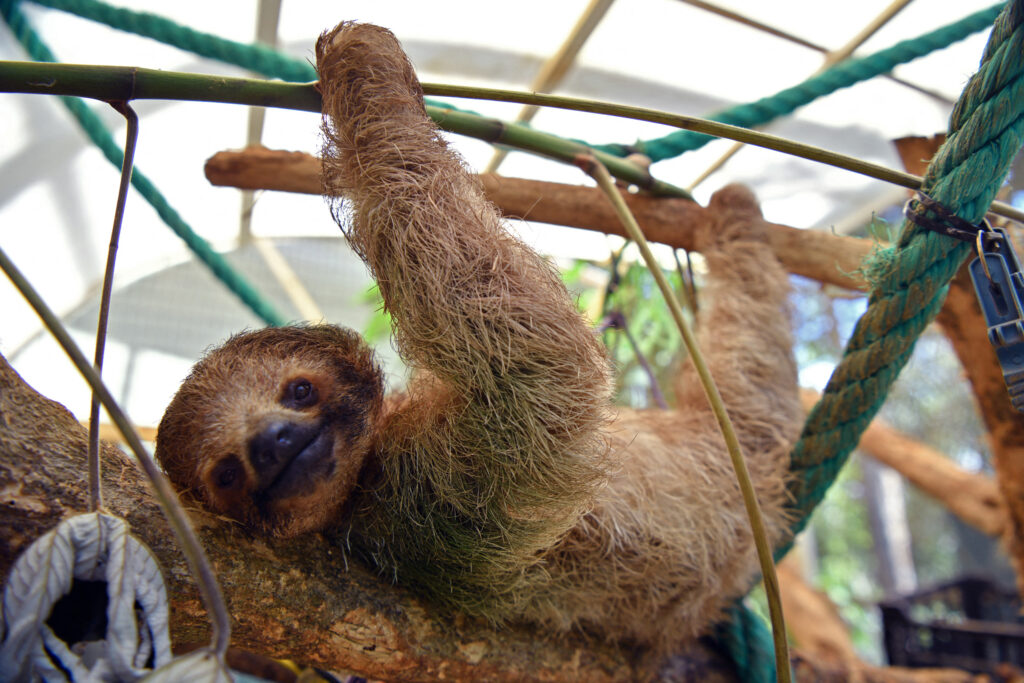
Larry Wallach, whose sloth-encounter business faced closure by New York courts over animal welfare violations, has obtained a Florida license to operate a new exotic animal exhibition. This move occurs as Florida confronts deaths among sloths at an unrelated tourist facility.
Inspectors documented repeated violations at Wallach's previous operations, citing unsafe and unsanitary conditions for the animals in his care. Despite this enforcement history, Florida's Department of Agriculture and Consumer Services approved his licensing application.
The timing compounds existing concerns about Florida's regulation of exotic animal exhibitors. State wildlife officials have faced scrutiny following sloth deaths at another attraction, prompting questions about inspection protocols and licensing standards across the industry.
Wallach's case illustrates gaps in how states track problematic exhibitors across jurisdictions. New York's court-ordered shutdown did not prevent him from obtaining approval in Florida, where licensing requirements and inspection standards differ. The state does not automatically cross-reference enforcement actions from other states when processing new applications.
Florida's exotic animal exhibition industry operates under minimal federal oversight. The U.S. Department of Agriculture sets baseline standards, but enforcement remains inconsistent. State-level regulation varies widely, with some jurisdictions conducting routine inspections while others respond only to complaints.
Animal welfare advocates have flagged Wallach's operations repeatedly. Documentation shows inspectors found inadequate enclosures, poor sanitation, and insufficient veterinary care at his facilities. These conditions violate both basic animal husbandry standards and Florida's own administrative code provisions governing animal care.
The state's approval of Wallach's license suggests Florida's licensing process does not adequately weight out-of-state enforcement history. Officials told reporters the applicant met current regulatory requirements, but declined to detail what conditions, if any, they imposed on his new license.
This case reflects a broader regulatory vulnerability. Exhibitors operating across state lines can exploit jurisdict