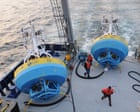
A bipartisan group of lawmakers is pushing back against the National Science Foundation's plan to dismantle the Ocean Observatories Initiative, a $386 million network that monitors ocean conditions across the globe. Democratic senators and Republican Senator Lisa Murkowski of Alaska sent letters to the NSF on Monday demanding the agency reverse its decision. Two Democratic House committees also weighed in, accusing the NSF of acting without proper congressional consultation.
The Ocean Observatories Initiative operates moored buoys, underwater cables, and autonomous vehicles that collect real-time data on water temperature, salinity, currents, and other variables across multiple ocean regions. This infrastructure feeds climate research, weather forecasting, and fisheries management. The network generates datasets that hundreds of scientists depend on annually.
The Trump administration flagged the program for cuts as part of broader budget reductions across federal science agencies. Murkowski's decision to join the opposition reflects growing concern among Alaska representatives about threats to ocean research that informs state fisheries policy and coastal community planning. In a statement, one House member called the cuts "supreme stupidity," framing ocean monitoring as foundational infrastructure rather than discretionary spending.
The NSF has not yet publicly detailed its rationale for the shutdown or outlined transition plans for researchers currently using the observatories. The agency typically provides multi-year funding commitments to research networks, and abrupt termination could strand ongoing projects and compromise long-term datasets that gain value as they extend across decades.
Congressional appropriations committees hold power over NSF funding. The bipartisan push suggests lawmakers may attempt to restore Ocean Observatories Initiative funding through the budget process or force the agency to justify the decision at oversight hearings. Ocean monitoring remains central to understanding marine ecosystem shifts driven by warming waters, a data need that intensifies as fisheries face climate-driven stock migrations and coastal communities confront sea-level rise.