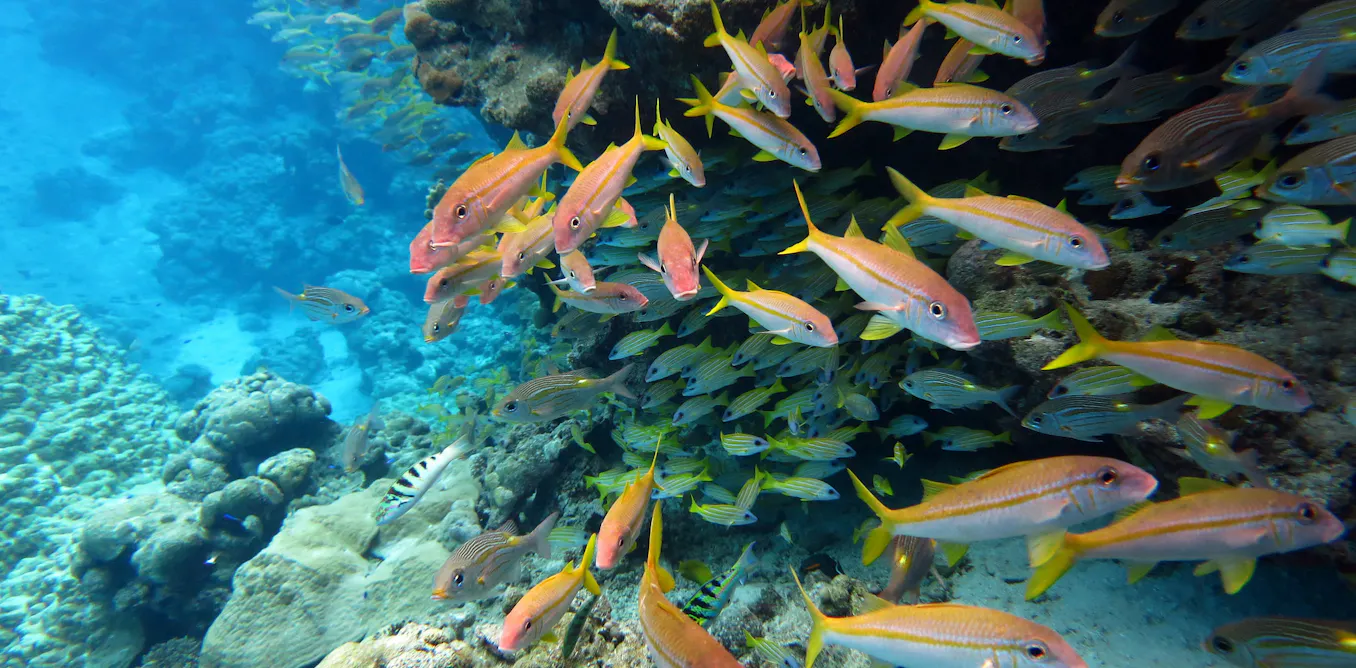
Nations have committed to protecting 30 percent of the ocean by 2030 under the Convention on Biological Diversity agreement finalized in late 2022. Currently, about 10 percent of ocean area holds formal protection status, leaving a decade to triple protected waters. However, the headline figure masks a critical problem: acreage alone does not indicate effective conservation.
Many existing marine protected areas (MPAs) function as "paper parks." These zones carry legal designation but lack enforcement, funding, or management infrastructure. Fishing vessels still harvest illegally within their boundaries. Industrial activities continue unchecked. Some protected waters never receive a single patrol or monitoring visit.
The 30x30 goal emerged from scientific consensus. Research shows that protecting 30 percent of Earth's ecosystems reduces extinction risk and bolsters climate resilience. For oceans, this threshold enables fish populations to recover and supports the ocean's capacity to absorb carbon dioxide. The target addresses urgent decline in marine biodiversity driven by overfishing, pollution, and warming waters.
Yet quality determines whether protection translates to outcomes. A study by the International Union for Conservation of Nature found that roughly half of existing MPAs lack adequate management. Effective protection requires trained personnel, monitoring technology, legal authority to enforce restrictions, and sustained funding. Remote areas like the high seas present enforcement challenges that dwarf coastal waters.
Countries pursuing the 30x30 commitment face pressure to expand protected zones quickly. This timeline incentive can encourage governments to designate large areas without building the systems needed for genuine conservation. Designating 20 percent of ocean area as protected by 2030 counts toward the goal, even if most receives minimal oversight.
The coming decade demands parallel progress on two tracks. Nations must expand protected ocean area while simultaneously strengthening enforcement mechanisms in existing zones. Satellite monitoring technology, international cooperation agreements, and dedicated funding streams offer pathways to real protection