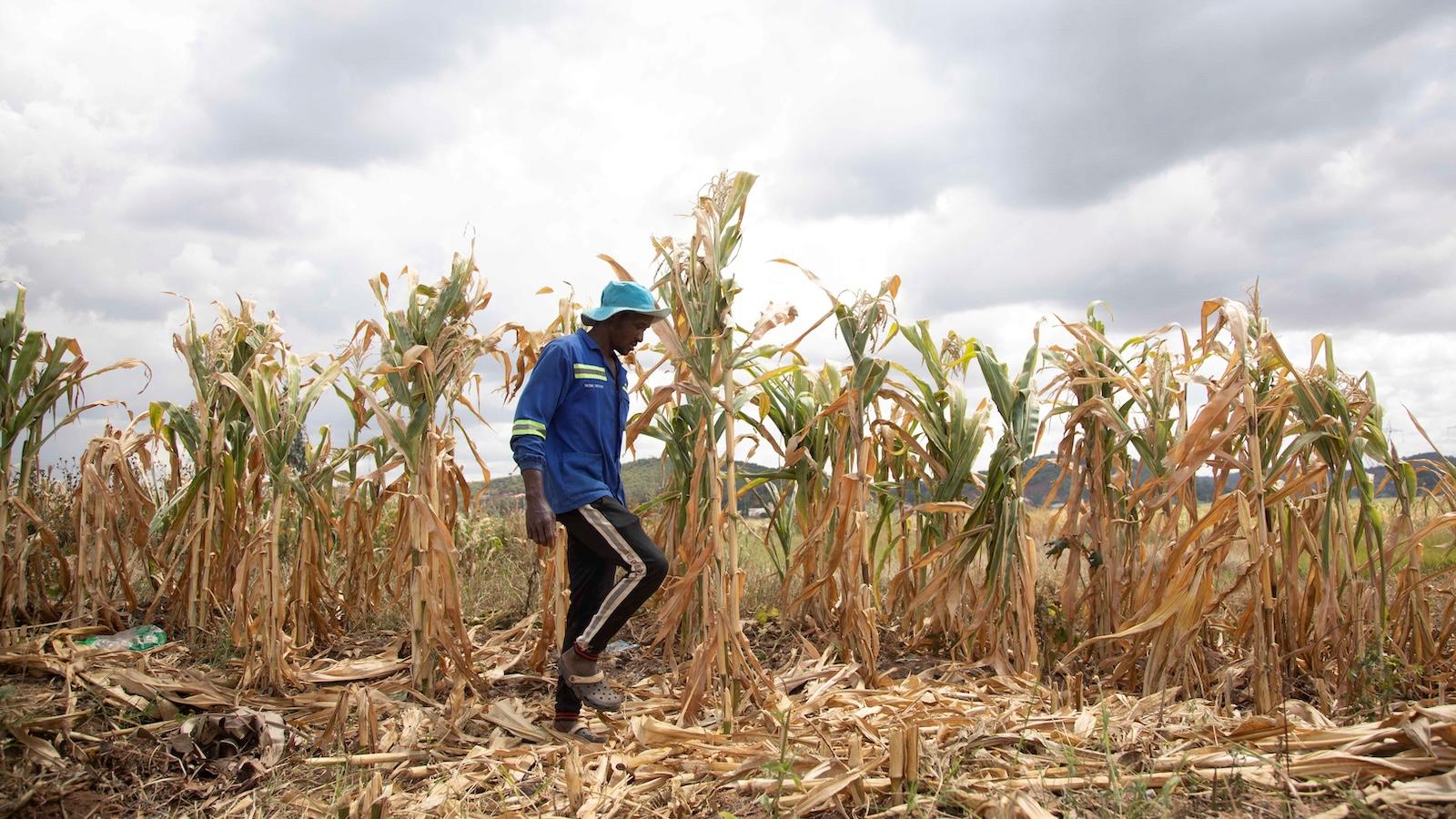
A strong El Niño event has emerged, creating the potential for severe disruptions to global food production as it collides with accelerating climate change. El Niño, a cyclical ocean warming pattern in the Pacific, occurs naturally every few years and alters precipitation and temperature patterns across the tropics and beyond.
The current event intensified through 2023 and into 2024, with sea surface temperatures in the equatorial Pacific reaching anomalies of 2 degrees Celsius above normal. The National Oceanic and Atmospheric Administration classified this as a strong event. When combined with the baseline warming trend from greenhouse gas emissions, the compounding effect threatens agricultural yields in regions already vulnerable to climate stress.
El Niño typically triggers drought in Southeast Asia, Australia, and parts of Africa while causing excess rainfall in other regions. These shifts disrupt planting cycles, reduce harvests, and raise commodity prices. Wheat, rice, and maize production face particular pressure. The World Food Programme and UN agencies have flagged elevated hunger risks in countries dependent on affected regions for grain imports.
Climate change amplifies El Niño's destructive capacity. Higher background temperatures intensify heat stress on crops and livestock. Soil moisture deficits deepen in drought zones. Rainfall patterns become less predictable, making adaptation harder for farmers lacking irrigation infrastructure or crop insurance.
Historical precedent exists. The 1997-1998 El Niño coincided with widespread crop failures and famine conditions in parts of Africa and Asia. Current global food systems operate with tighter margins than two decades ago, with less buffer stock and more concentration of production in climate-vulnerable regions.
The interaction between El Niño and anthropogenic warming represents a compounding hazard that models suggest will intensify as global temperatures rise. Scientists expect future El Niño events to occur in a warmer baseline climate, creating conditions beyond historical experience