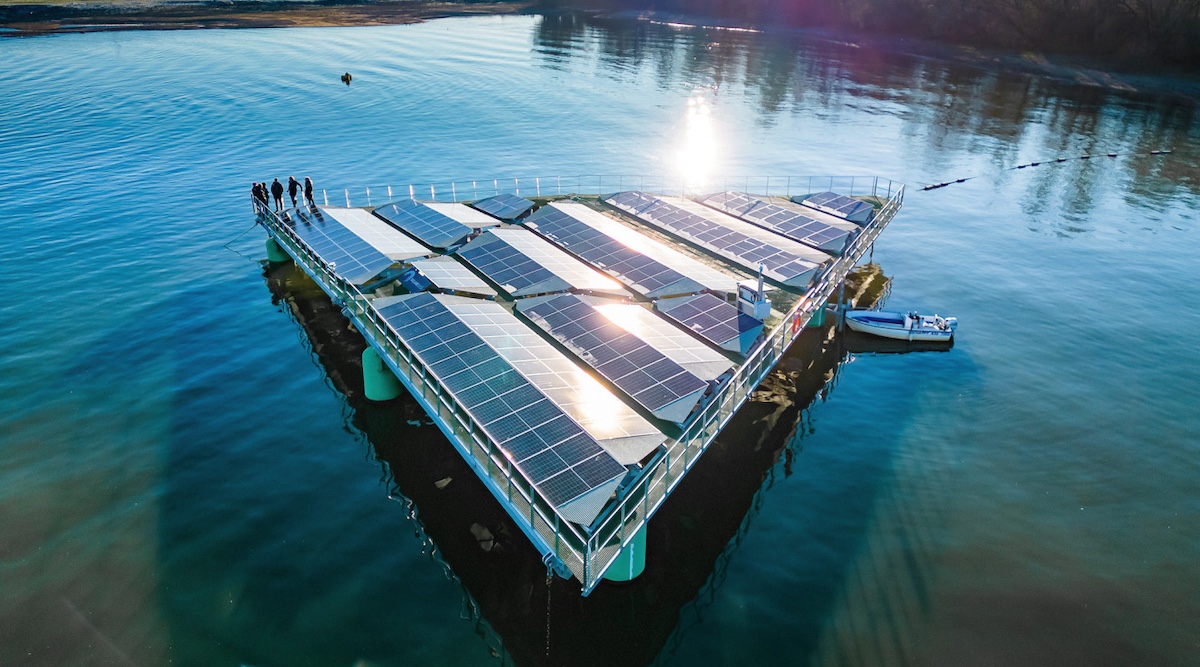
Spain's coastlines could support nearly 7 gigawatts of offshore solar capacity, according to emerging assessments of the country's renewable energy potential. This figure represents a substantial addition to Spain's clean energy infrastructure as the nation pursues its climate commitments under European Union targets.
Offshore solar technology deploys photovoltaic panels on floating structures in coastal waters, a deployment method that has received far less attention than offshore wind despite comparable technical viability. The 7-gigawatt estimate reflects Spain's extensive Mediterranean and Atlantic shorelines, combined with favorable solar irradiance levels along its coasts.
Spain currently leads Europe in onshore solar deployment, with installations expanding rapidly across the country's interior regions. Adding offshore solar capacity would diversify Spain's renewable portfolio and reduce competition for land use that other sectors require. The technology also avoids the visual impact concerns that sometimes complicate large terrestrial solar farms.
The development aligns with Spain's 2030 renewable energy target, which mandates that 81 percent of electricity generation come from clean sources. Spain's existing onshore solar and wind capacity already generates substantial portions of the country's power supply, with wind providing roughly 22 percent of annual electricity generation.
Offshore solar deployment faces engineering challenges distinct from its land-based counterpart, including saltwater corrosion resistance, mooring systems for floating arrays, and integration with existing maritime activities. However, pilot projects in European waters have demonstrated technical feasibility. The Netherlands and Portugal have tested comparable systems.
Spain's maritime zones fall under EU marine spatial planning frameworks, meaning deployment would require coordination with fisheries management, shipping corridors, and environmental protection zones. Environmental assessments would need to address impacts on marine ecosystems and bird migration patterns.
Realizing the full 7-gigawatt potential would require substantial infrastructure investment, grid connection upgrades, and regulatory pathways that remain under development. The timeframe