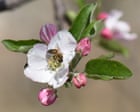
Wild bee populations worldwide face steep declines, threatening human nutrition in ways that extend far beyond honey production. Research now documents that pollinator loss directly reduces access to nutrient-dense foods, creating public health risks that span from rural Nepal to developed nations.
Nepal's Jumla district illustrates the stakes. Local beekeepers report hive collapses and honey production cuts of roughly 50 percent in recent years. The 120,000 residents of this remote Himalayan region depend almost entirely on crops they grow themselves. When pollinator services fail, they lose not just an income source but access to the vitamin-rich fruits and vegetables that require bee pollination.
Scientists studying pollinator decline have quantified the human health consequences. Crops dependent on wild pollinators, including almonds, apples, blueberries, cucumbers, and numerous others, provide essential micronutrients. Vitamin A, folate, and zinc—all critical for immune function and development—concentrate in these bee-pollinated foods. As wild bee populations contract due to habitat loss, pesticide exposure, and climate disruption, global diets shift toward staple grains that offer inferior nutritional profiles.
The World Health Organization and recent epidemiological studies link this dietary narrowing to deficiency diseases. Anemia, stunted growth in children, and compromised immune responses emerge when populations lose access to nutrient-dense foods. In low-income regions like Jumla, where malnutrition already persists, pollinator collapse compounds existing food security crises.
Industrial agriculture has intensified these pressures. Monoculture farming eliminates wildflower habitat that sustains native bee species. Neonicotinoid pesticides persist in soil and water, poisoning foraging bees. Climate change disrupts flowering phenology, creating timing mismatches between hungry bees and available blooms.