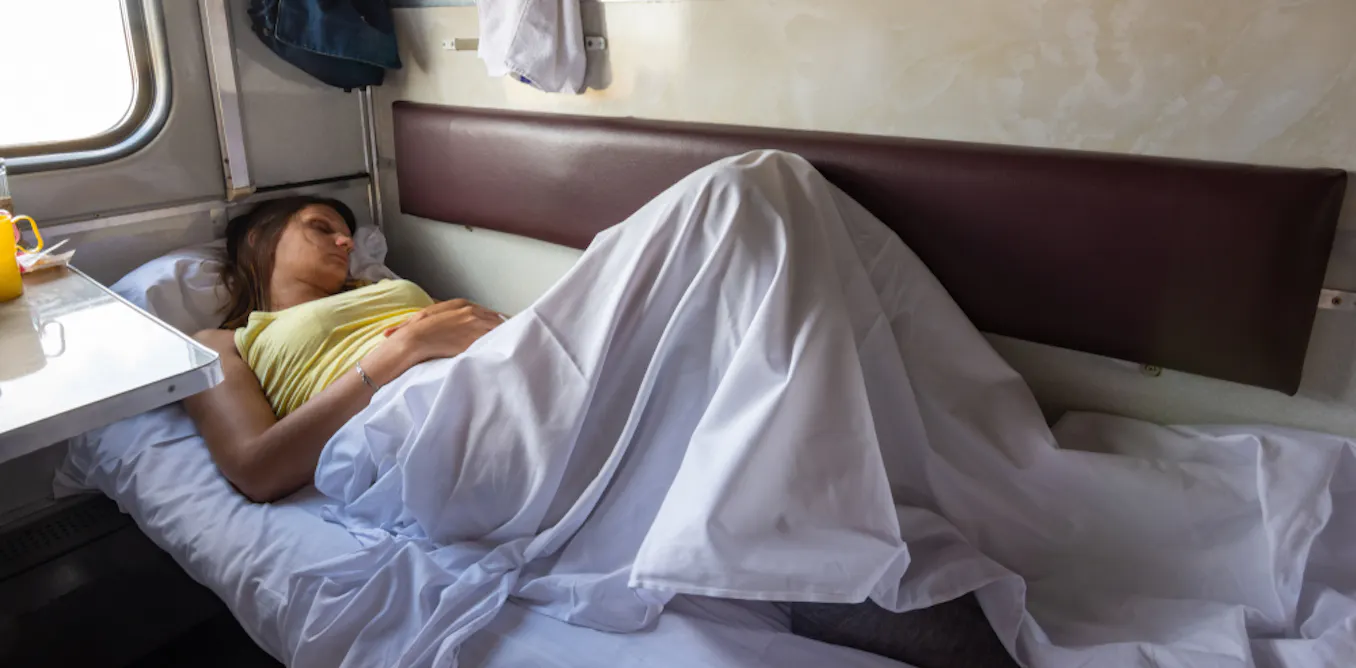
Overnight train networks across Europe are expanding as travelers seek alternatives to air travel. Services connecting major cities now offer sleeping cabins, reducing the need for flights on routes under 1,000 kilometers.
Austria's ÖBB and Germany's Deutsche Bahn lead expansion efforts, adding new routes and modernizing rolling stock. The companies report rising demand, particularly among passengers aged 25 to 50 who prioritize reducing their carbon footprint. A single overnight train journey produces roughly one-tenth the greenhouse gas emissions of a comparable flight.
Transport experts note the environmental advantage stems from rail's energy efficiency. Electric trains powered by renewable sources emit significantly less carbon per passenger-kilometer than aircraft. The International Union of Railways reports rail transport generates approximately 14 grams of CO2 per passenger-kilometer, compared to 285 grams for flying.
Passengers cite additional motivations beyond climate concerns. Overnight trains eliminate airport security procedures, baggage restrictions, and lengthy check-in times. The journey itself doubles as accommodation, reducing total travel costs. Sleeping berths range from basic bunk arrangements to en-suite cabins with shower facilities.
Italy, France, and Switzerland have launched coordinated services targeting tourist destinations. Swiss Federal Railways operates night trains to Amsterdam and Barcelona, while French SNCF extends routes to Italian ski resorts. Booking platforms now feature dedicated overnight train sections, improving accessibility.
Infrastructure investments remain critical. Rail corridors require electrification and station upgrades to accommodate modern sleeping cars. EU funding mechanisms increasingly support cross-border rail development as part of climate commitments outlined in the European Green Deal.
Industry data shows night train bookings grew 40 percent annually between 2021 and 2023, though overall ridership remains modest compared to flights. Ticket prices typically cost 50 to 150 euros for a basic berth, competing favorably with budget airlines