# The Science Behind Merino Wool's Performance
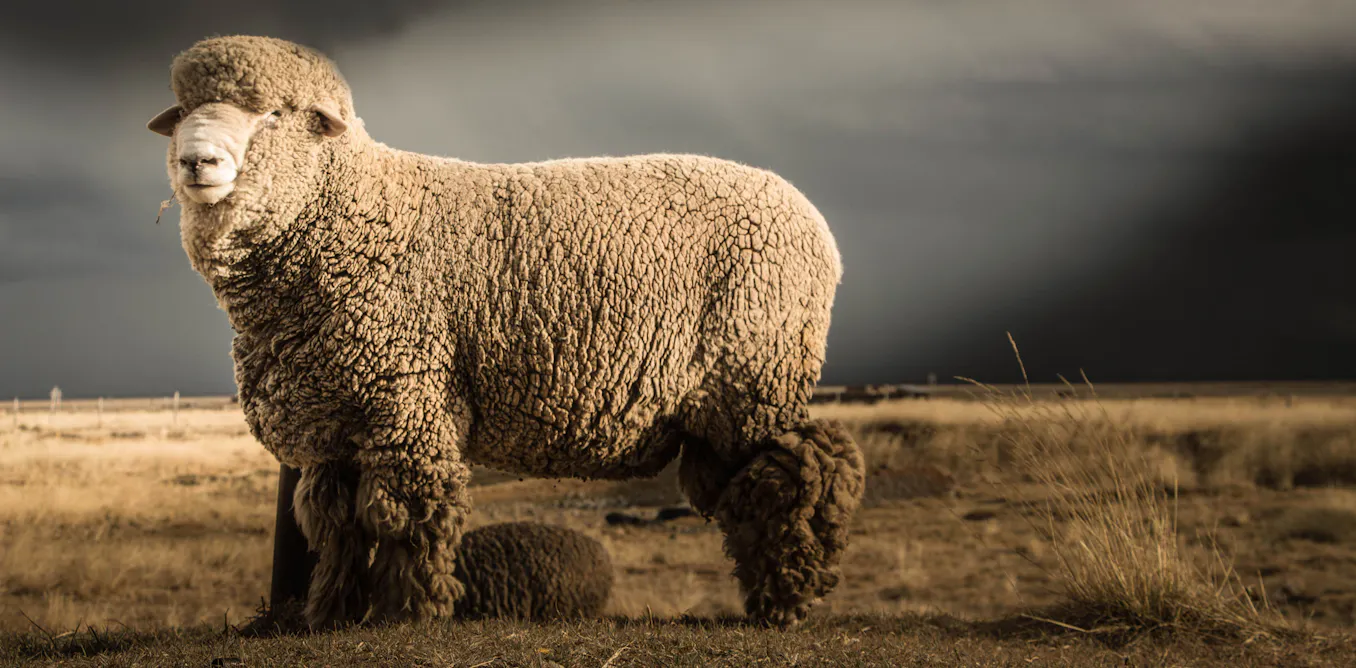
Merino wool outperforms synthetic alternatives across multiple environmental and practical metrics. The fiber comes from Merino sheep, a breed originally developed in Spain and now raised worldwide, with Australia and New Zealand as dominant producers.
The material's odor resistance stems from wool's protein structure. Lanolin, a natural waxy substance in merino fibers, repels water and inhibits bacterial growth. This property means garments require less frequent washing than synthetic fabrics, reducing water consumption and detergent runoff. Merino wool also naturally regulates temperature through its crimp structure. The fiber's spiral shape traps air, providing insulation in cold conditions while allowing moisture vapor to escape during heat, keeping skin dry without synthetic moisture-wicking technology.
Merino wool softness depends on fiber diameter. Premium merino contains fibers under 20 microns, comparable to cashmere. This fineness reduces the itchiness associated with coarser wool varieties, making extended wear comfortable against skin.
The environmental profile favors merino over petroleum-based synthetics. Wool biodegrades naturally, leaving no microplastic pollution. However, merino production carries considerations. Sheep grazing impacts land use, and wool processing involves chemicals. Life cycle assessments show merino requires significant water and energy inputs, though biodegradability and durability offset these costs when garments last years rather than seasons.
Merino wool's durability justifies its price. Fibers flex up to 30,000 times before breaking, compared to synthetics that degrade faster. This longevity reduces replacement frequency and total consumption over time.
The fiber's antibacterial properties derive from wool's natural pH and protein composition, not chemical treatments. This contrasts with synthetic fabrics that often require antimicrobial coatings containing chemicals like