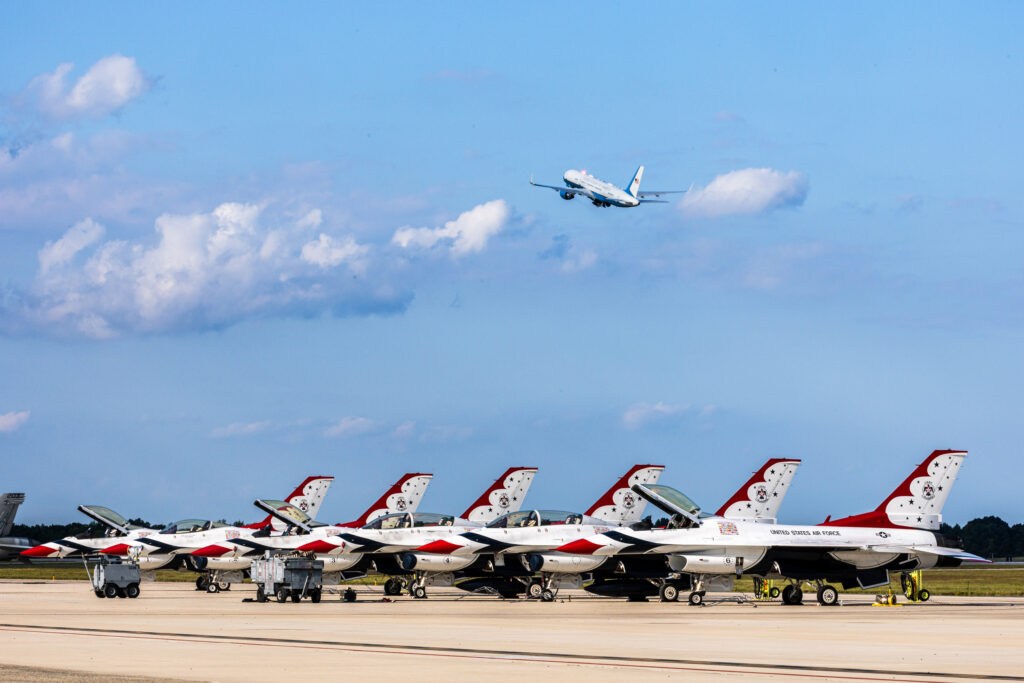
A five-month delay in water testing followed a jet fuel leak at Joint Base Andrews near Washington, D.C. The Department of Defense detected the leak in December from the military installation into Piscataway Creek, but federal agencies did not sample water or sediment downstream where the creek meets the Potomac River roughly 20 miles away. That gap left a critical blind spot in a region where residents fish, boat, and access the shoreline regularly.
Community groups stepped into the void, conducting their own water and sediment testing along the Potomac where exposure risk to fuel contaminants appeared highest. Their independent sampling revealed what government oversight had missed for months. The base leak, originating from fuel storage or transfer infrastructure, threatened both recreational water quality and drinking water supplies downstream.
The absence of coordinated federal testing exposed fragmented responsibility among agencies. The Department of Defense manages the base. The Environmental Protection Agency oversees water quality. The Maryland Department of the Environment holds state authority. None moved quickly to establish a monitoring protocol that would track fuel contamination as it traveled downstream.
Jet fuel contains volatile organic compounds and other hazardous substances that persist in water and sediment. Exposure through fish consumption or direct contact poses health risks. The Potomac supplies drinking water to hundreds of thousands of residents in the region. Delayed testing meant delayed warnings to the public.
Community science filled the enforcement gap. Local organizations mobilized residents to collect samples and analyze them, documenting contamination levels that could inform health advisories. Their work underscored a persistent problem. Regulatory agencies often respond to crises rather than prevent them. When they do respond, coordination fails.
The leak at Joint Base Andrews highlights military installations as ongoing pollution sources. The Pentagon manages thousands of bases across the country, many with aging fuel storage systems. Contamination from these facilities routinely reaches groundwater and surface water. Federal agencies tasked with oversight