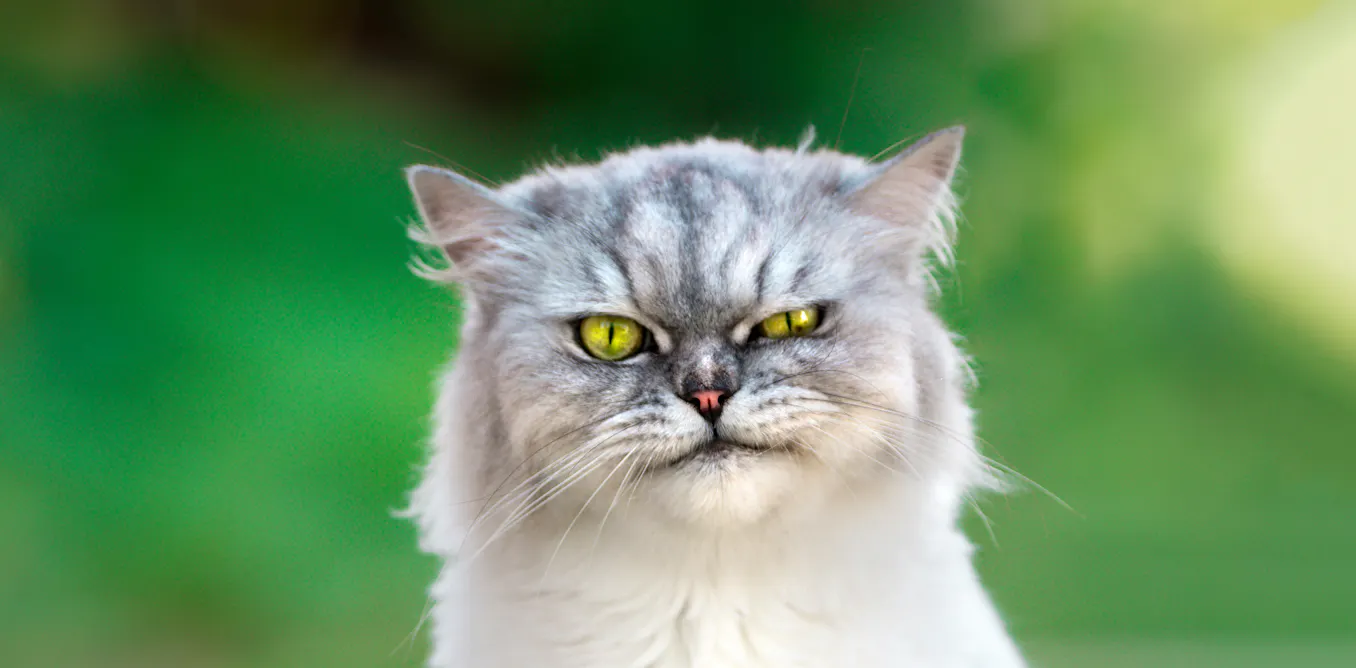
A new study reveals that while both dogs and cats provide temporary emotional benefits, cats may carry a hidden cost. Researchers found that petting cats triggers a short-term mood improvement in humans, but simultaneously elevates cortisol levels, the body's primary stress hormone.
The research compared physiological responses between dog and cat interactions. Participants showed similar initial mood gains after contact with either animal. However, cat owners experienced measurable increases in cortisol during and after petting sessions, indicating heightened stress activation even as they reported feeling better emotionally.
Dogs produced no comparable cortisol spike. Their effect remained consistently positive across both mood and stress biomarkers. The discrepancy suggests that cats trigger competing neurological responses. The pleasant sensation of petting activates reward pathways, generating that brief positive feeling. Simultaneously, cats' unpredictable behavior, independent nature, or other factors activate the body's stress response system.
This mismatch matters for people managing anxiety or chronic stress conditions. The contradictory signals mean cat interaction may not deliver the net calming effect that dog companionship provides. Someone seeking genuine stress relief through pet therapy would gain more benefit from canine contact.
The findings complicate the popular notion that all pet ownership equally reduces stress. While cats clearly offer companionship and moments of joy, their physiological impact differs fundamentally from dogs. Cat owners still derive pleasure from their pets, but they're experiencing genuine biological tension alongside that pleasure.
The implications extend to therapeutic settings. Medical facilities using animal-assisted interventions for stress reduction should prioritize dogs if the goal centers on lowering cortisol and supporting nervous system regulation. Cats might remain valuable for other benefits like companionship or reducing loneliness, but they don't deliver the same stress-reducing package.