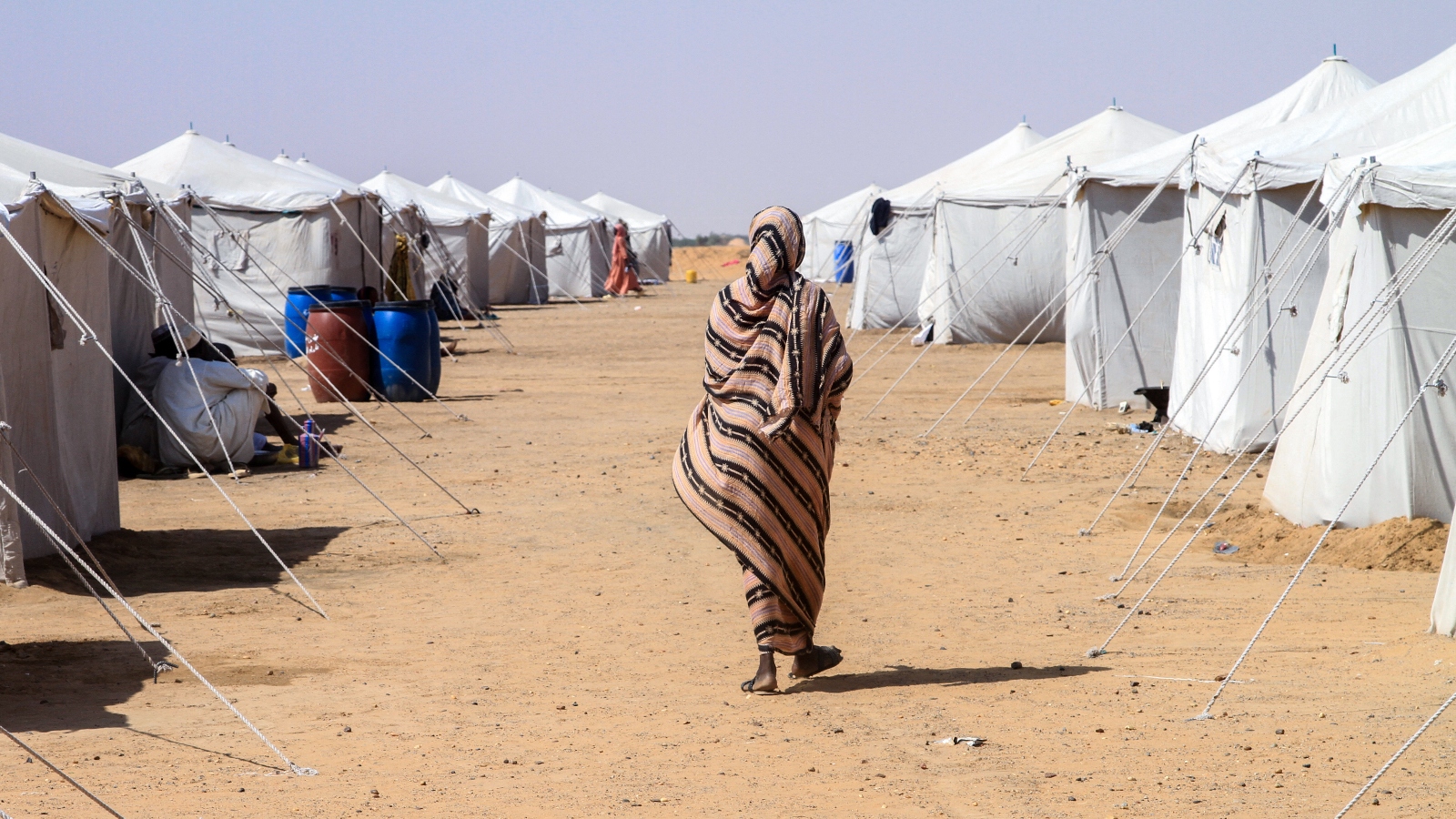
The United States has tightened refugee admissions to historically low levels, creating a policy vacuum for people displaced by climate-driven disasters. The Biden administration capped refugee admissions, and current restrictions leave almost no pathway for individuals forced to migrate due to environmental degradation, extreme weather, or sea-level rise.
Climate displacement differs from traditional refugee categories. The 1951 Refugee Convention, which governs U.S. asylum law, does not recognize climate as a persecution basis. People fleeing drought, flooding, or uninhabitable conditions do not legally qualify as refugees under current definitions. This legal gap leaves millions vulnerable to statelessness and irregular migration.
The barriers compound across multiple systems. Immigration courts process claims slowly. Border enforcement remains strict. International frameworks have not established binding commitments to climate-displaced persons. The U.S. has not created a distinct visa category or protection status for climate migrants, despite scientific consensus that environmental change will drive mass displacement in coming decades.
World Bank projections estimate 216 million people could be internally displaced by climate impacts by 2050, with many seeking to cross borders. Central America and South Asia face acute risks from sea-level rise and agricultural collapse. Yet U.S. policy has not evolved to address this reality.
Advocates argue that comprehensive action requires legislative reform. A climate refugee visa category could establish protected entry routes. International agreements could standardize protections. Emissions reductions remain the most direct intervention, preventing displacement before it occurs.
Currently, climate-displaced persons enter through irregular channels or remain in place despite deteriorating conditions. Aid organizations report increasing desperation among those unable to migrate legally. The policy disconnect leaves vulnerable populations caught between environmental catastrophe and closed borders, with no formal recognition of their status or rights.