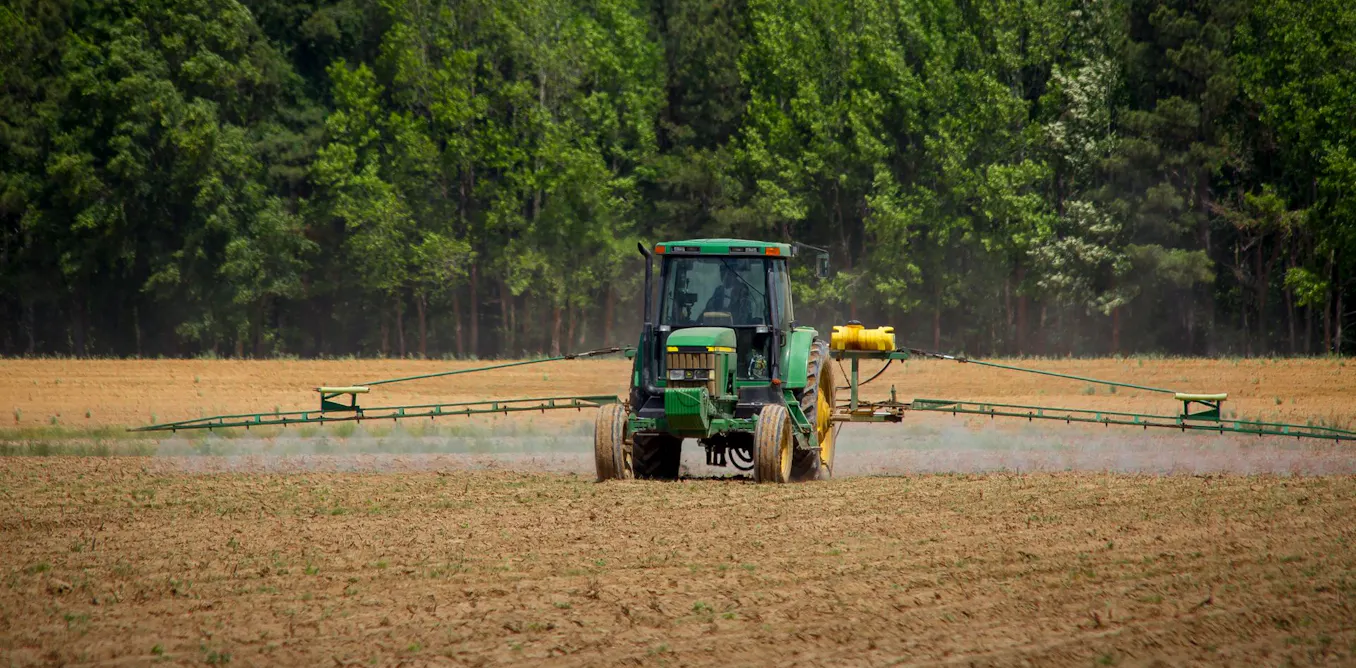
Paraquat ranks among the world's most heavily applied herbicides, used across agriculture and commercial landscaping. The pesticide has drawn scrutiny from researchers investigating links between environmental toxin exposure and Parkinson's disease.
Evidence connecting paraquat to Parkinson's comes primarily from laboratory studies and epidemiological research. Cell-based experiments demonstrate that paraquat generates reactive oxygen species, damaging dopamine-producing neurons central to Parkinson's pathology. Animal studies show similar neurotoxic effects when rodents receive paraquat exposure.
Human epidemiological studies present more complex findings. Several investigations of agricultural workers and rural residents exposed to paraquat report elevated Parkinson's disease rates compared to unexposed populations. A 2011 meta-analysis identified a 2.5-fold increased risk among individuals with occupational or residential pesticide exposure. However, these studies face limitations. They often rely on self-reported exposure data rather than measured concentrations. Confounding factors, including exposure to other pesticides, complicate causal inference.
The mechanism remains incompletely understood. Paraquat likely enters cells through dopamine transporters, concentrating in mitochondria where it triggers oxidative damage. This pathway explains why dopamine neurons face particular vulnerability, though the full cascade remains under investigation.
Regulatory agencies have reached different conclusions. The U.S. Environmental Protection Agency maintains that available data do not establish paraquat as a human carcinogen or neurotoxicant at current exposure levels. The European Union banned paraquat in 2007, citing health concerns including potential neurological effects. China restricted paraquat use beginning in 2020 after connecting it to suicides and toxicity cases.
The World Health Organization classifies paraquat as moderately hazardous. Agricultural workers in developing nations face the highest exposure risks, often without adequate protective equipment or knowledge